As energy prices continue to rise amid increasing climate awareness, many homeowners are seeking ways to make their living spaces both beautiful and efficient. Could simple decor changes not only enhance your home’s aesthetic but also significantly reduce your energy consumption? By strategically selecting design elements, you can create a welcoming environment that works wonders for your wallet. Let’s explore practical and actionable tips that blend style with energy efficiency, ensuring your home is both chic and sustainable.
Utilizing Smart Furniture for Energy Efficiency
Today’s furniture options come equipped with technology designed to enhance both convenience and energy savings. Smart furniture can reduce energy usage with features like motion sensors and timers that turn off devices automatically when not in use. For instance, consider tables with embedded charging ports or sofas with built-in Bluetooth speakers. These innovative pieces not only elevate your space’s functionality but also contribute to an eco-friendly lifestyle.
Selecting Optimal Lighting
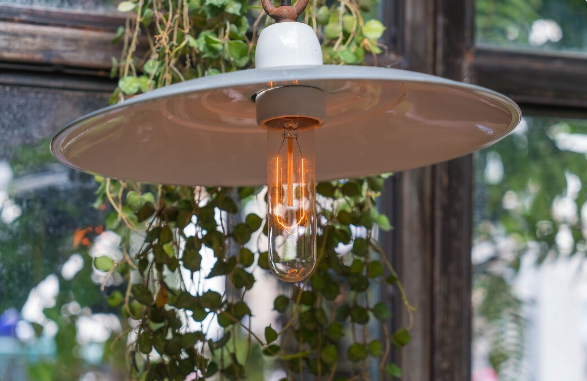
Lighting is a crucial aspect of home decor that can dramatically influence energy expenses. Switching from incandescent bulbs to LEDs can cut energy usage by nearly 90%, with the average household saving up to $225 annually just by replacing their light bulbs. Look for fixtures that accommodate energy-efficient bulbs and consider adding dimmer switches for even greater control over your energy consumption. Additionally, maximizing natural lighting by strategically placing mirrors or choosing sheer curtains can help minimize reliance on artificial lighting.
Enhancing Airflow with Ceiling Fans
Installing ceiling fans can greatly enhance the comfort of your living space while conserving energy. During the summer months, these fans can create a breeze that makes the room feel cooler, allowing you to raise your thermostat setting by a few degrees without sacrificing comfort. To maximize their effectiveness, ensure fans are set to run counterclockwise during warmer months, pushing cool air downwards. This simple addition not only beautifies your home but also optimizes your HVAC system, lowering energy bills.
Strategic Color Choices and Reflective Surfaces
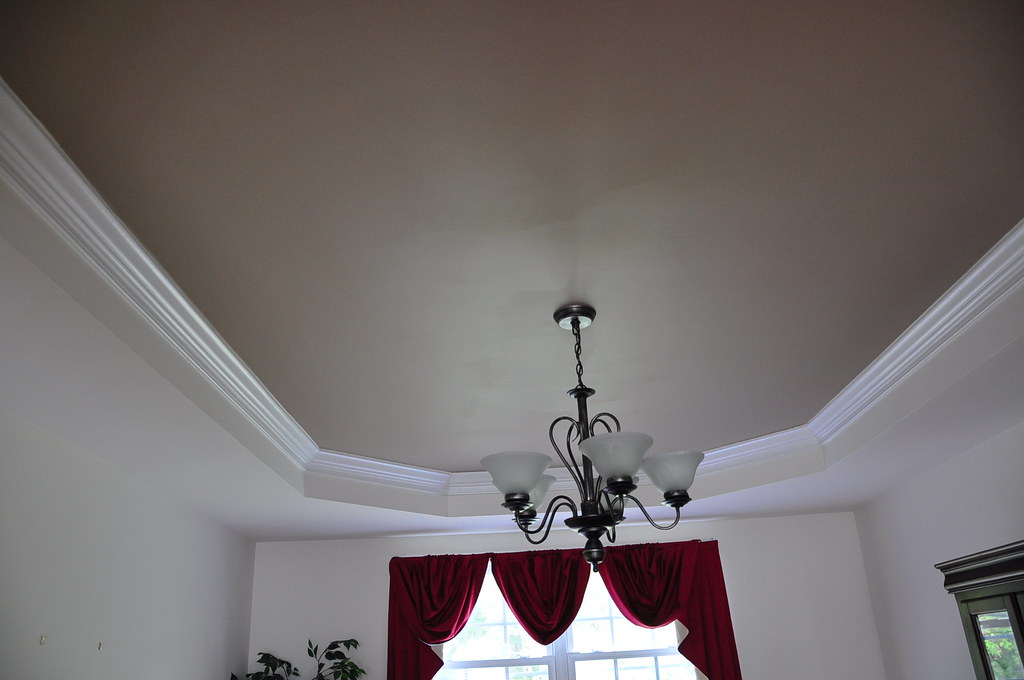
Color plays a surprising role in energy efficiency. Lighter hues on walls and ceilings can reflect more light, keeping interiors cooler and reducing the need for artificial cooling. The Light Reflectivity Value (LRV) is a helpful measure for selecting paint; the higher the LRV, the more light the color reflects. Consider shades like pale gray or off-white for optimum energy savings. In addition, using reflective surfaces such as glass tables or metallic accents can further enhance natural light, brightening spaces without the need for extra lighting.
Managing Temperature with Smart Thermostats
Adopting smart thermostats is another effective step towards energy savings. These devices allow for temperature control based on your daily habits, optimizing heating and cooling usage. By programming your thermostat according to your schedule, you can reduce energy usage while ensuring a comfortable atmosphere when you’re home. Additionally, combining smart thermostats with thermal curtains can keep your home insulated, preventing heat from escaping in the winter and minimizing solar gain during summer months.
Creating a Functional Furniture Layout
Your furniture layout can significantly affect a room’s energy efficiency. Arranging furniture to avoid blocking air vents and enhancing airflow contributes to a more comfortable environment with efficient temperature regulation. Consider an open layout that facilitates air movement and prevents hot spots, thereby improving the performance of your heating and cooling systems. An organized approach enhances both functionality and visual appeal.
| Decor Changes | Benefits | Energy Savings |
|---|---|---|
| Smart Furniture | Enhances functionality | Reduces electrical consumption |
| LED Lighting | Improves ambiance | Up to 90% energy savings |
| Ceiling Fans | Improves airflow | Lower A/C usage |
| Smart Thermostats | Automates temperature control | Significant reductions in heating/cooling costs |
| Reflective Surfaces | Increases natural light | Decreases artificial lighting needs |
Bringing Nature Indoors with Plants
Incorporating greenery into your decor not only beautifies your space but also acts as a natural insulator. Plants can help regulate indoor temperatures and improve air quality, reducing the need for mechanical ventilation. Creating a green wall or placing a cluster of plants around sunlit areas can provide shade and support ambient cooling, keeping your home cozy during hot summer months.
Smart Choices in Window Treatments
If new energy-efficient windows are not in your budget, consider enhancing your existing ones with strategic window treatments. Options like thermal curtains can block heat in summer and retain warmth in winter, offering a practical solution for energy conservation. Light-filtering shades can also allow natural light in while minimizing heat gain. Layering these treatments can provide aesthetic appeal while optimizing your home’s insulation.