In today’s world, where living spaces are becoming increasingly compact, the quest for effective design solutions has never been more relevant. Mirrors, often underestimated, serve as powerful tools in the realm of interior design. Through their strategic placement, they possess the unique ability to create an illusion of depth, thereby enhancing the perception of room size. Utilizing mirrors not only contributes to a visually stunning aesthetic, but it also promotes a sense of openness and airiness that is particularly crucial in smaller family rooms and spaces. In this article, we will explore the science behind mirror placement and how to use reflective surfaces to maximize your room’s visual expansion.
The Science of Mirrors and Spatial Perception
Understanding how mirrors influence our perception of space is crucial in interior design. When light bounces off a mirror, it creates an optical illusion that tricks the brain into believing there is more space than actually exists. At the core of this transformation lies the way our eyes and brain process reflections. This function is largely based on a psychological principle known as visual expansion, where reflective surfaces can make a space appear larger.
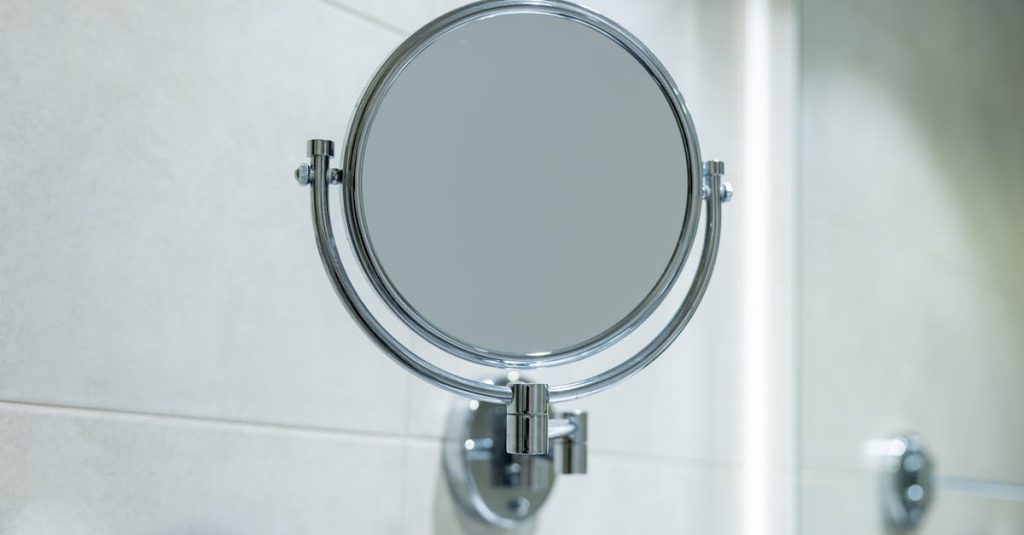
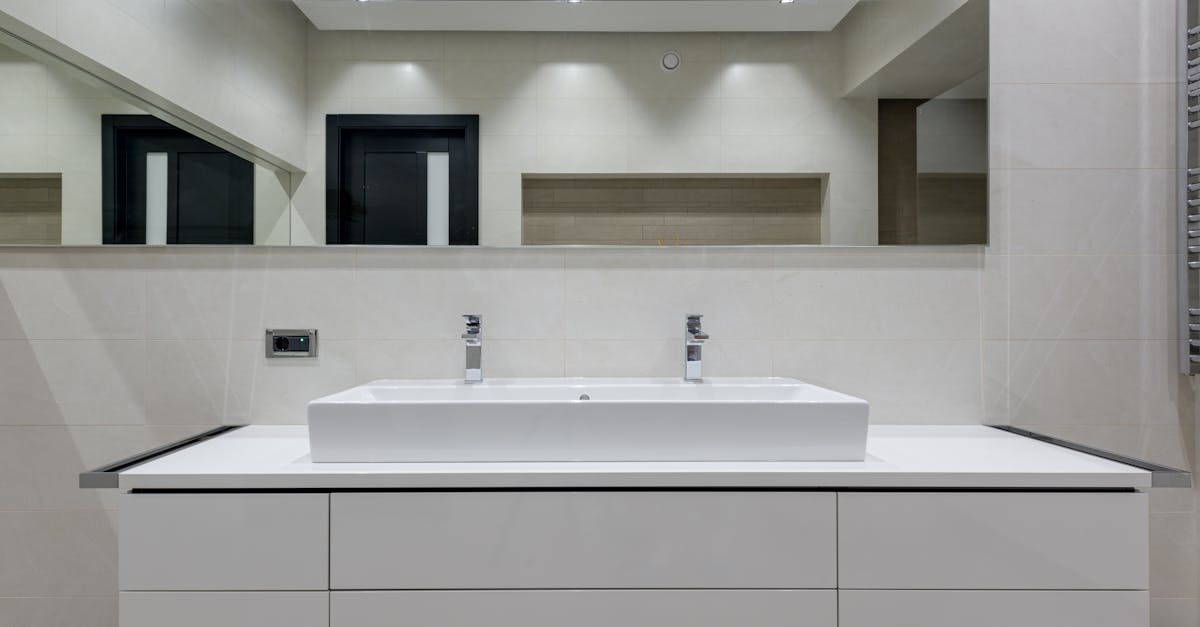
Mirrors work best when they are positioned thoughtfully. Large mirrors (ideally covering an entire wall) can make rooms feel almost twice as large, while smaller mirrors can serve as accent pieces that contribute to an overall sense of space.
One effective method involves placing mirrors directly across from windows. As sunlight streams in, mirrors reflect this natural light across the room, brightening dark corners and enhancing the feeling of openness. In essence, a mirror can behave like a second window, amplifying both light and spatial perception. Key factors for maximizing the impact of mirrors include:
- Mirror size: Larger mirrors create more pronounced effects.
- Wall placement: Positioning mirrors across from windows magnifies the effect of natural light.
- Viewing angle: Hanging mirrors at eye level makes the most of reflections.
- Room shape: Adjust strategies based on whether you have shorter or longer walls.
Ultimately, understanding the science behind mirror placement enables you to optimize your home’s design efficiently.
Optimal Mirror Placement for Maximum Impact
Mirror placement is essential for achieving the effect of doubling your room size. The first consideration should be the positioning of the mirror itself. By placing a large mirror directly across from your primary window, you can capture and reflect sunlight, significantly enhancing the room’s brightness and spaciousness.
To optimize this effect:
- Hang the mirror at the same height as your window for a seamless look.
- Choose a mirror that is about 60-75% as wide as your window for balance.
- Ensure that the mirror reflects visually pleasing elements, like your garden or decorative artwork.
Additionally, it is essential to be mindful of the mistakes that can diminish the impact of mirrors. For instance, mirrors that are too small or hung too high won’t contribute significantly to space enhancement. The goal is to ensure that mirrors are catching light as well as visually engaging reflections.
Color and texture also play vital roles in the effectiveness of mirrors. Mirrors with decorative frames can add personality while still serving their primary purpose of reflecting and enhancing space.
Leveraging Corners and Unused Wall Space
Sometimes, the most overlooked areas in a room are the corners. Strategically placing mirrors in these spots can remove the visual barriers created by walls, giving the sensation of an infinite space. A corner mirror offers a unique opportunity to reflect light from two adjacent walls, effectively expanding the overall feel of the room.
Here are some tips for corner mirror placement:
- Mount the mirror at eye level (about 60-65 inches off the ground) to reflect the primary areas of the living space.
- Using two mirrors that meet in the corner can enhance the infinite effect.
- Consider frameless mirrors for a seamless look that draws the eye outward rather than into a corner.
Similarly, transforming unused wall space into an area of visual interest with mirrors effectively contributes to the larger design scheme. Consider floor-to-ceiling mirrors on narrow walls or horizontal mirrors on shorter walls to create a sense of height and openness. This approach helps eliminate any feeling of confinement, essential for smaller family rooms.