- Increased Comfort: Automated adjustments lead to more consistent temperatures throughout the home.
- Remote Control: Manage your home’s temperature from anywhere using your smartphone.
- Improved Energy Awareness: Many units provide feedback about energy use, helping you understand your consumption patterns.
In 2026, energy savings have become a pressing concern for homeowners aiming to lower their utility bills while contributing to environmental sustainability. As energy costs continue to rise, finding effective strategies for reducing electricity and gas consumption is essential. Fortunately, improving home energy efficiency doesn’t require significant sacrifices; instead, it involves embracing smart technologies and simple practices. This article explores ten actionable steps that can help homeowners make meaningful changes in their everyday lives, from upgrading appliances to optimizing heating and cooling systems. As we dive into each method, discover how you can not only save money but also enhance the comfort of your living space.
Understanding Energy Consumption in the Home
To effectively implement energy-saving strategies, it’s crucial to understand how energy is consumed within a typical household. The average home spends a sizable portion of its budget on electricity and other utility services. A significant portion of this expenditure is attributed to heating and cooling—historically the largest energy consumers in homes. Other areas, such as lighting, water heating, and appliances, further contribute to overall energy use, forming a complex web of consumption patterns that homeowners must navigate.
In 2026, many homeowners are recognizing that simple changes can have a profound impact. The era of high-energy costs is a call to action, inciting households to embrace innovation. Energy-efficient appliances, for example, can lead to considerable savings over their less efficient counterparts. According to studies, utilizing these appliances can result in up to a 30% reduction in energy use, which directly translates to lower utility bills.
Types of Energy Consumption
Understanding energy consumption can be broken down into several key categories:
- Heating and Cooling: HVAC systems account for almost half of a home’s energy use, especially in extreme weather conditions.
- Water Heating: Water heaters are major contributors to energy bills, often left unchecked and inefficient.
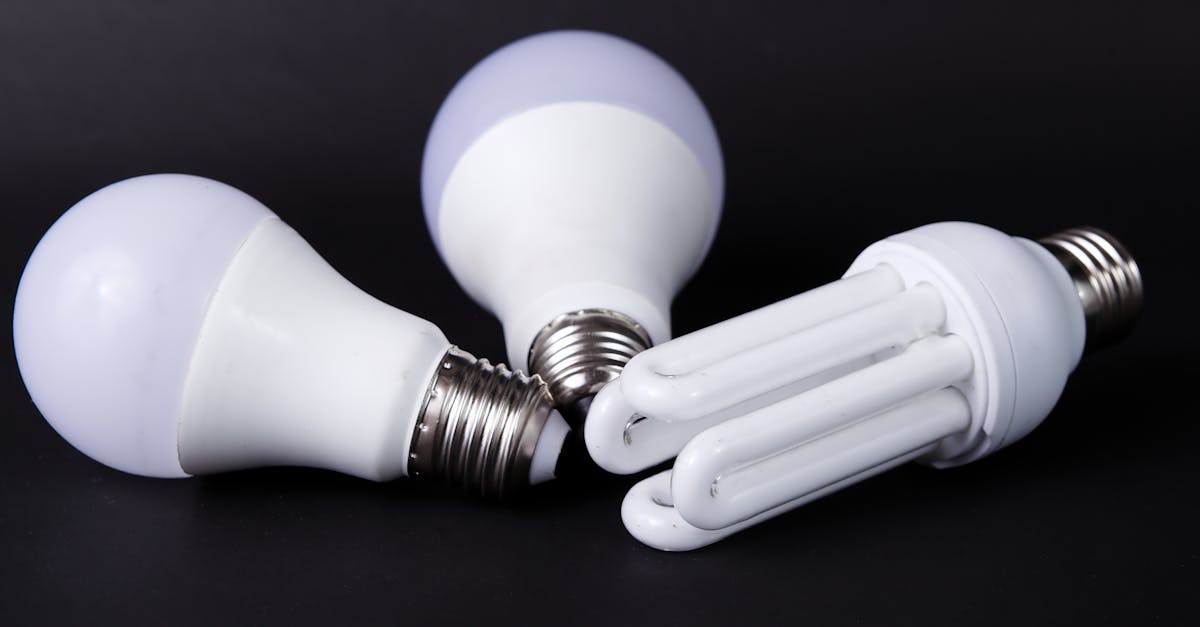
- Lighting: The type of bulbs used significantly affects electricity costs, with traditional incandescent bulbs being the most expensive to operate.
- Electronics: Devices left in standby mode consume “phantom energy,” making it crucial to manage how appliances are used.
Invest in Energy-Efficient Appliances
One of the most effective steps homeowners can take towards energy conservation is investing in energy-efficient appliances. Appliances like refrigerators, washing machines, and dishwashers often have a significant impact on household energy use. By selecting appliances that carry the Energy Star label, homeowners can gain significant long-term benefits. Energy-efficient appliances consume less energy compared to standard models, translating into annual savings that can add up substantially over time.
The initial cost of purchasing energy-efficient appliances may be higher, but federal tax credits and rebates can offset these expenses. For instance, Energy Star-certified heat pump water heaters can save households approximately $550 per year compared to conventional systems. This level of savings highlights the financial benefits while underscoring why energy-efficient appliances should be a priority for any homeowner aiming for utility cost reduction.
Long-Term Savings with Energy-Efficient Choices
When evaluating the benefits of energy-efficient appliances, consider the following:
- Lower Operating Costs: Over time, the reduced energy consumption leads to lower electric bills.
- Enhanced Performance: Many energy-efficient models outperform older versions in terms of functionality and reliability.
- Environmental Impact: Using less energy contributes to decreased demand for fossil fuels, reducing carbon footprints.
| Appliance | Standard Model Energy Use (kWh/year) | Energy-Efficient Model Energy Use (kWh/year) | Annual Savings |
|---|---|---|---|
| Refrigerator | 700 | 400 | $80 |
| Washing Machine | 500 | 250 | $45 |
| Water Heater | 4500 | 3500 | $100 |
Utilize Smart Thermostats for Heating and Cooling
Smart thermostats are an innovative solution that allows homeowners to optimize their heating and cooling systems for maximum efficiency. Research indicates that using a smart thermostat can save approximately 8% on heating and cooling costs. These devices can learn your schedule and adjust temperatures accordingly, ensuring that energy is not wasted while you’re away or asleep.
By programming your thermostat to lower the temperature at night or during the day when no one is home, you can enjoy substantial savings on your utility bills. Some models can even be controlled remotely through smartphone applications, allowing you to manage your home’s climate while avoiding unnecessary energy use. For many families, this represents a significant opportunity for home energy efficiency.
Benefits of Smart Thermostats
Beyond savings, smart thermostats offer several advantages:
- Increased Comfort: Automated adjustments lead to more consistent temperatures throughout the home.
- Remote Control: Manage your home’s temperature from anywhere using your smartphone.
- Improved Energy Awareness: Many units provide feedback about energy use, helping you understand your consumption patterns.