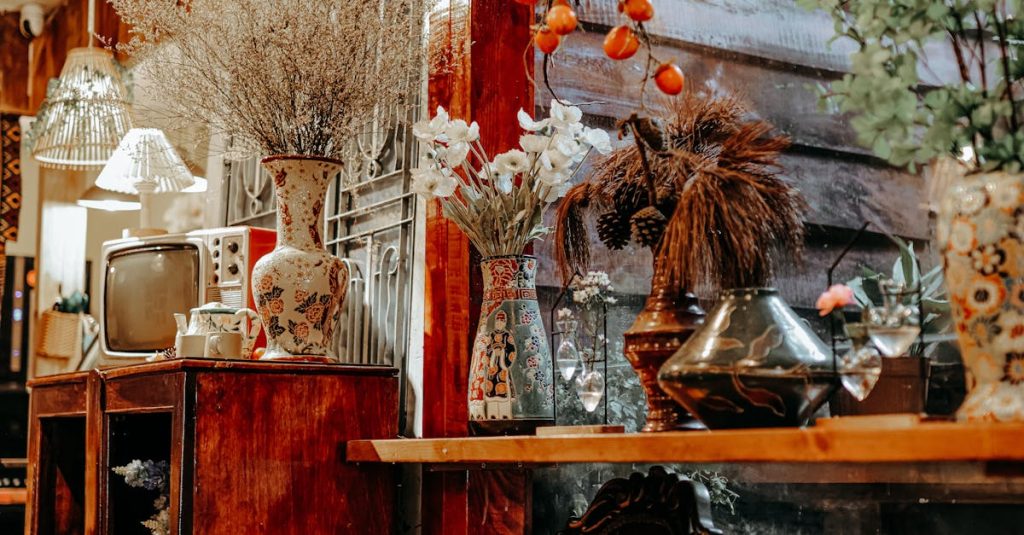
In a world where living spaces are shrinking, the art of maximizing small interiors while embracing a bold and eclectic aesthetic has become essential. Gone are the days of minimalism reigning supreme in tiny apartments and compact homes. Instead, the maximalist style celebrates the vibrant, the diverse, and the unapologetically ornate. Imagine transforming a cozy bedroom into a captivating retreat that resonates with your personality through the strategic use of color, texture, and layered decor. In this article, we will delve into the secrets of decorating small spaces with a maximalist approach that harmonizes creative expression and effective space optimization.
The Beauty of Bold Colors in Small Spaces
When it comes to maximalist style, the choice of color is paramount. In small spaces, bold colors can act as powerful design tools, transforming an ordinary room into an extraordinary experience. By using vibrant and saturated hues, you can create an engaging environment that feels open and lively, even within a limited area. Accentuating walls, furniture, and decor with strong colors can improve depth perception and make the space feel larger.
Creating a Color Symphony
Begin by selecting a color palette that resonates with your aesthetic. Consider colors like electric blue, rich emerald green, or deep ruby red. Utilize these colors not just on walls and furniture but also on decorative items like pillows, throws, and art pieces. This method fosters an interplay of shades that guides the eye around the room, creating visual interest and enhancing the spacious feel.
An effective technique is to employ accent walls, painted in a bold hue, to act as focal points, counteracting the feeling of confinement. Layered colors, when combined effectively, invigorate small spaces rather than overwhelm them.
The Power of Pattern Mixing in Maximalism
Mixing patterns is where maximalism truly shines. Small spaces offer a canvas for employing various prints, from florals and geometric designs to stripes and abstracts. The key to successful pattern mixing lies in creating visual harmony through thoughtful coordination.
Layering Textures and Patterns
Start by anchoring your space with a bold primary pattern, perhaps on a statement rug or large-scale wallpaper. Next, incorporate secondary patterns through accessories like cushions and bedding. The aim is to create layers without chaos — this can be achieved by ensuring that the colors in the patterns share a common tone.
For instance, a floral print on a throw pillow can be harmonized with a striped blanket in the same color family. This layering effect adds depth and dimension that is crucial in a crowded space.
- Choose Patterns with Complementary Colors: Ensure that they don’t clash but instead create a cohesive look.
- Play with Scale: Employ both large and small patterns to add complexity while maintaining a rhythm.
- Incorporate Texture: Fabrics like velvet, silk, and wool can enhance patterns and create tactile richness.
Layered Textures: Crafting Depth and Comfort
Textural richness is essential in a maximalist design. Employing various materials can transform a small space into a cozy haven filled with comfort. Layering different textures not only creates visual interest but also enhances the overall sensory experience of your room.
Mixing Fabrics for a Tactile Experience
Consider blending soft textiles like cotton and linen with opulent fabrics like velvet and silk. For a small bedroom, you might use a plush velvet headboard paired with cotton sheets and a knitted throw. The contrast not only looks visually striking but also invites a sense of luxurious comfort.
Textural diversity can also aid in making a room feel more expansive by drawing attention to varying heights and layers. You can incorporate elements such as:
- Pillows and Throws: Use these to add softness and comfort while providing an opportunity for pattern mixing.
- Decorative Rugs: Layer different area rugs to enhance both visual interest and comfort.
- Wall Hangings: Tapestries or woven art add dimension and character while optimizing vertical space.
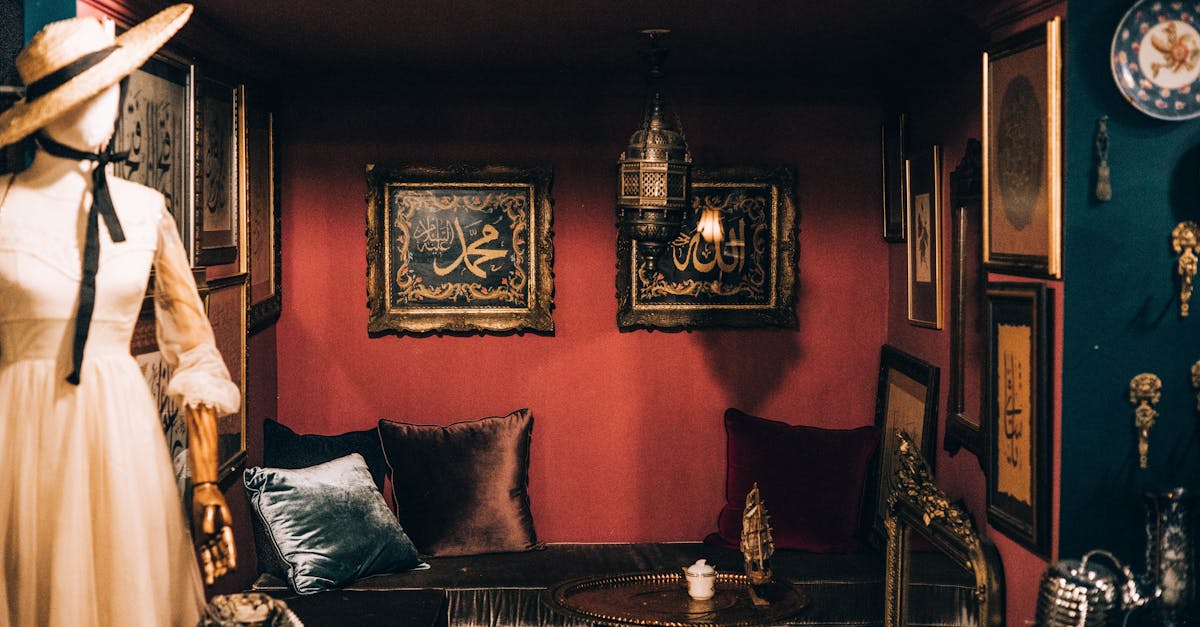
Statement Pieces: The Heart of Maximalist Decor
Maximalism thrives on bold statement pieces. In a small space, strategically placed focal items can turn an ordinary room into a design statement. These pieces draw the eye and offer a sense of personality and warmth.
Selecting and Arranging Statement Pieces
When choosing statement pieces, consider their scale and how they interact with your existing decor. These items can include oversized artwork, unique light fixtures, or large furniture like an ornate chair. The trick is to arrange them judiciously to avoid clutter while ensuring they command attention.
For example, a bold abstract painting on the wall above a minimalist bed can create a stunning contrast, adding depth and intrigue. Try grouping smaller decor items together to form a visually engaging vignette, which can serve as another focal point of the room.