In recent years, sustainability has transformed from a niche concept into a significant trend within the construction and renovation industries. Amongst the many eco-friendly materials emerging, recycled denim stands out, not for its fashion appeal, but for its unexpected yet remarkable applications in thermal insulation. By utilizing discarded denim, this innovative insulation option not only addresses a mounting waste crisis but also provides a host of benefits in construction, energy efficiency, and indoor comfort. As we delve into the world of recycled denim insulation, it becomes clear that it represents a revolution in green building solutions, capturing the interest of builders, designers, and eco-conscious consumers alike.
What is Recycled Denim Insulation?
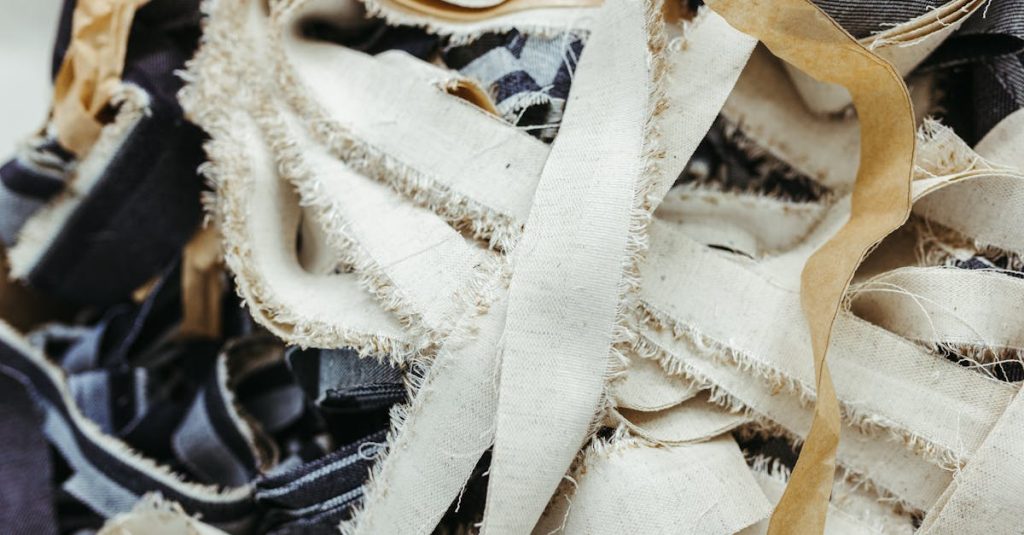
Recycled denim insulation is an innovative product made from post-consumer denim, specifically discarded jeans. This process involves collecting old denim, which is then shredded and treated to create a high-performance insulation material that can be utilized in homes and buildings. The use of denim for insulation not only provides an avenue for denim recycling but also pushes the boundaries of traditional insulating materials. Unlike conventional options such as fiberglass, which often contain chemical irritants and fibers that can cause discomfort during installation, recycled denim offers a soft and itch-free alternative.
The primary component of this insulation is natural cotton fiber, allowing it to retain warmth and provide effective thermal insulation. The unique structure of the denim fibers creates thousands of tiny air pockets that not only enhance thermal performance but also serve to minimize sound transmission. Consequently, this material is becoming increasingly recognized as a viable alternative, particularly in residential settings where comfort and livability are priorities.
Accessibility and ease of installation further underscore the attractiveness of recycled denim insulation. It can be installed in the same areas as traditional insulation products, including wall studs, ceiling joists, and open roof rafters. The installation process does not require any special tools or protective gear, making it simple for contractors and DIY enthusiasts alike.
Benefits of Using Recycled Denim Insulation
Choosing recycled denim insulation presents numerous benefits that appeal to both builders and homeowners. Below are some of the key advantages:
- Environmental Impact: By using recycled denim, we can significantly decrease textile waste. The process diverts old jeans from landfills, contributing to waste reduction efforts.
- Energy Efficiency: The insulation maintains a comfortable indoor temperature by significantly reducing heat transfer. Studies suggest that homes utilizing recycled denim insulation can achieve energy bill reductions of up to 15%.
- Fire Resistance: Class A fire-rated and treated with a borate solution, this insulation not only provides safety but also resists the growth of molds and mildew, creating a healthier living environment.
- Easy Handling: Unlike traditional insulation materials that can irritate the skin, recycled denim is safe to handle without the need for masks or gloves, enhancing user-friendliness during installation.
The Science Behind Thermal Performance
The performance of recycled denim insulation primarily hinges on its unique construction. The densely packed fibers create numerous air pockets that prevent heat from escaping during colder months while keeping interiors cool in the summer. This remarkable ability to regulate temperature extremes is especially crucial in regions experiencing significant temperature fluctuations throughout the year.
In comparison to fiberglass, which tends to settle over time, reducing its effectiveness, recycled denim maintains its structure, ensuring long-lasting thermal performance. Additionally, these tiny pockets of air act as excellent sound barriers, making recycled denim insulation a suitable choice in multi-family housing and urban environments where noise reduction is highly valued. This combination of sound absorption and thermal efficiency offers homeowners an unparalleled comfort level.
Comparative Analysis of Insulation Materials
| Characteristic | Recycled Denim Insulation | Fiberglass Insulation |
|---|---|---|
| Thermal Performance | Excellent heat retention, energy efficient | Moderate, can settle over time |
| Safety | Safe to handle, no irritants | Can cause skin irritation, requires protective gear |
| Fire Resistance | Class A fire-rated | Class A fire-rated |
| Environmental Impact | Uses recycled materials | Material production often involves energy-intensive processes |
Application in Sustainable Fashion and Green Building
The rise of sustainable fashion includes a broader emphasis on thoughtful material usage, aligning with modern environmental consciousness. Denim recycling plays a crucial role in this narrative, as the collective impact of each household contributing old jeans can be substantial. This movement dovetails with an increasing desire for eco-friendly materials in construction and renovation projects.
Recycled denim insulation forms an integral part of the green building movement. As builders recognize the need for sustainable solutions, it offers not just thermal and acoustic performance, but also durability and resilience. Incorporating such innovative insulation systems aligns construction projects with evolving energy codes and sustainable building practices, spearheading a shift towards cleaner, greener, and more responsible construction methodologies.
Challenges and Considerations
While recycled denim insulation boasts numerous advantages, some considerations must be acknowledged. For one, it is important to understand that while denim recycling has grown in popularity, availability may vary based on location. Homeowners and contractors should assess the local supply chain to ensure they can access sufficient quantities when undertaking projects. Additionally, while the insulation is effective, it may come at a premium compared to traditional materials; thus, budget planning is essential.
Moreover, proper awareness and education about recycled denim insulation remain crucial to popularizing its use. As the market becomes increasingly saturated with insulation options, builders and consumers must be well-informed about the benefits and application methods of recycled denim. Research studies showcasing its efficacy could further boost its acceptance in the mainstream market.