Blending the timeless appeal of heritage materials with clean, modern lines creates a design harmony that few other combinations can match. Among these materials, old bricks stand out for their character, resilience, and unique visual texture. This article explores creative ways to use aged brickwork in contemporary spaces, merging past and present in a way that elevates both form and function.
The Allure of Aged Brickwork
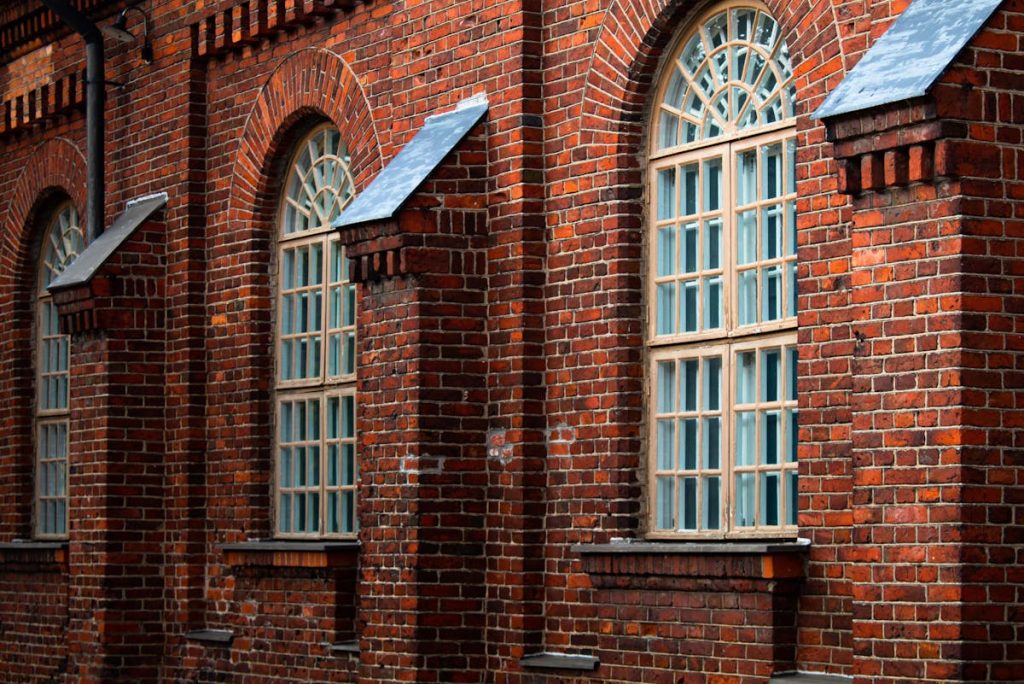
There’s a distinct charm in vintage bricks that modern manufacturing rarely replicates. Each piece carries a story—marked by natural patina, weathered edges, and subtle color variations. These elements introduce warmth and depth to even the sleekest spaces, making reclaimed brick a versatile design choice for various architectural styles.
When thoughtfully integrated, heritage masonry can create a striking juxtaposition between historical texture and minimalist form, producing interiors and exteriors that feel both grounded and sophisticated.
Durability Meets Aesthetic Appeal
One of the biggest advantages of using reclaimed bricks is their longevity. These units were crafted to last—having already withstood decades, if not centuries, of wear. Their proven durability makes them a smart investment, especially in areas exposed to weather or heavy use.
In terms of aesthetics, weathered brickwork offers a tactile surface that enhances contrast within modern architecture. When paired with materials like glass, steel, or smooth plaster, the roughness of salvaged clay units adds an artisanal touch that balances contemporary precision with rustic character.
Environmental Benefits
Choosing reclaimed masonry is not only a stylistic decision but also an environmentally responsible one. Reusing these materials helps divert construction waste from landfills and reduces the demand for new resources. This contributes to lower carbon emissions associated with manufacturing and transport.
Additionally, aged bricks possess natural insulating properties. Combined with modern sealing and insulation techniques, they can contribute to energy-efficient construction—helping to maintain consistent indoor temperatures and lowering utility costs over time.
Designing with Reclaimed Bricks: Creative Applications
Accent Walls
An accent wall made with salvaged bricks can be a powerful design feature. Whether installed in a living room, kitchen, or home office, it adds visual weight and textural contrast. To emphasize the beauty of the brickwork, consider surrounding it with minimalist décor and neutral color palettes. This lets the aged tones and irregular surfaces become the focal point, complementing rather than competing with modern furnishings.
Outdoor Enhancements
In exterior spaces, vintage bricks bring a natural, lived-in aesthetic that pairs beautifully with contemporary landscaping. Use them for patios, garden paths, or even fire pits to extend the visual narrative of your home. When combined with sleek lighting fixtures or modern outdoor furniture, the result is an inviting atmosphere where old-world charm meets modern comfort.
Architectural Integration for Lasting Impact
Brick Facades
Applying reclaimed clay units to building exteriors allows you to highlight traditional craftsmanship while preserving structural soundness. Creative laying patterns, like herringbone, running bond, or stack bond, can enhance visual interest and elevate the overall facade. Pairing the bricks with a thoughtfully chosen mortar color can further refine the aesthetic and tie the look together.
Structural and Decorative Features
From exposed chimneys and fireplaces to archways and columns, aged brickwork can be both structurally integral and visually impactful. These features act as anchors within a space, creating a bridge between historical authenticity and modern innovation. Such elements not only serve functional purposes but also enrich the architectural narrative of your home.
Working with Professionals: Best Practices
Not all reclaimed bricks are suitable for every environment. It’s important to assess factors like frost resistance, strength, and overall condition. A professional designer or contractor can help you choose pieces that meet both your visual goals and performance requirements—ensuring long-term satisfaction.
Proper installation is key to maximizing both the beauty and longevity of salvaged masonry. Attention to mortar composition, moisture barriers, and structural integrity will help prevent issues like water damage or cracking. Engaging skilled tradespeople with experience in working with vintage materials is essential to achieving a flawless result.
Final Thoughts
Integrating old bricks into modern design isn’t just a trend, it’s a sophisticated approach that honors the past while embracing the present. With their distinctive appearance, environmental benefits, and structural strength, these materials offer a multidimensional design solution that few alternatives can match.
For more tips on home upgrades, check out our resources on modern solutions for bathroom fixtures as well as motorized blinds to enhance your living space. Don’t hesitate to consult a professional who understands the nuances of old materials in modern contexts. With the right expertise, you can craft a space that feels both timeless and unmistakably contemporary.