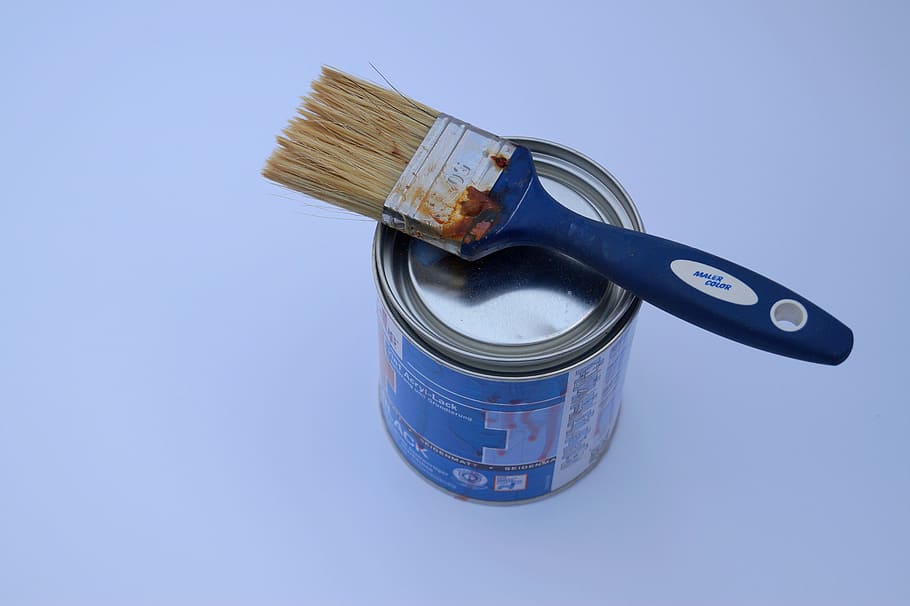
In a world increasingly aware of environmental issues, the choice of household materials plays a crucial role in promoting a healthier and more sustainable lifestyle. One area where this consciousness has blossomed is in the realm of interior design and decoration, particularly through the use of eco-friendly paint. Unlike traditional paint options, eco-friendly paints are formulated to have a lower environmental impact while ensuring the safety and health of your living space. With alternatives like non-toxic, low VOC (volatile organic compounds) options flooding the market, it’s essential to understand how these green paints not only enhance your interiors but also contribute to a healthier environment.
The Importance of Eco-friendly Paints in Today’s Society
The global shift towards sustainability has made eco-friendly paints a popular choice among homeowners. These paints have gained traction due to their low environmental impact, as they are designed to protect both the environment and the health of individuals. One of the foremost benefits of eco-friendly paints is their non-toxic nature, which means they do not emit harmful chemicals into the air like traditional paints. This is particularly vital in ensuring good air quality inside homes.
Traditional paints often contain high levels of VOCs that can lead to respiratory issues and other health problems. In contrast, eco-friendly paints are formulated with lower or zero VOCs, making them safer for use, especially in enclosed spaces such as bedrooms and nurseries. The importance of these choices cannot be overstated. Several studies have pointed out that the air quality inside homes can be significantly poorer than that outdoors, mainly due to off-gassing from such products.
Moreover, as consumers become more environmentally conscious, they are more inclined to purchase paints that align with their values. This is where eco-friendly options shine, promoting not just personal health but also a healthier planet. The production processes associated with these paints often prioritize sustainable materials, reducing waste and carbon footprints.
To illustrate the advantages, consider this striking statistic: homes painted with eco-friendly paint can reduce indoor air pollution by as much as 50%. This leads us to ponder: how many of us are still using products that put our health at risk while we have safer alternatives available?

Understanding Eco-friendly Paint Components
So, what exactly goes into eco-friendly paints that make them a safer choice? The components of these paints can vary, but several key aspects remain consistent across different brands. Firstly, the base materials used for these paints are often derived from renewable resources. Instead of petroleum-based products found in conventional paints, eco-friendly alternatives tend to use natural oils and resins as binders.
Another key feature is the absence of heavy metals and harmful solvents which are commonplace in traditional paints. Heavy metal content, such as lead, can pose serious health risks, particularly to children. By opting for products free of these hazardous materials, homeowners can ensure that their living spaces remain safe.
In addition, many eco-friendly paints employ natural pigments, which are less harmful to human health and the environment. These natural colorants not only reduce chemical exposure, but they also provide vibrant hues and finishes that compete with their synthetic counterparts.
Choosing eco-friendly paint is not just a trend but rather a commitment to a healthier lifestyle. It’s a switch that benefits both personal well-being and the planet.
Applying Eco-friendly Paint in Your Home
Once you decide to embrace eco-friendly paint, the next step is applying it effectively. Preparation is key. Ensure that the surfaces to be painted are clean and dry. It’s advisable to remove old flaking paint, which may still contain harmful toxins and could affect the adhesion of the new paint.
When applying eco-friendly paint, you can use traditional tools such as brushes, rollers, or sprayers. Each tool has its application technique, but ensure to follow the manufacturer’s instructions regarding thinning and application rates. It’s essential to apply the paint on days with favorable weather conditions, allowing proper ventilation during and after application to facilitate the drying process.
For optimal results, consider applying more than one coat. While eco-friendly paints may require more layers due to their natural compositions, the end result is worth the effort. Investing in quality finishes will enhance durability and aesthetic appeal, giving your interiors a professional look.
- Choose the right type: Consider the specific area to be painted. Different environments may require different formulations.
- Use proper tools: Ensure your brushes and rollers are clean for the best finish possible.
- Ventilate: Keep windows open during the application to improve airflow and expedite drying.
- Plan your timing: Generally, warmer, dryer days are more conducive for painting, preventing moisture issues.
Eco-friendly Paint Options for Homeowners
The market is burgeoning with various eco-friendly paint brands and options that cater to different tastes and preferences. Some notable examples include brands like Benjamin Moore’s Natura, which is renowned for its exceptional performance along with a zero VOC rating. Another admirable option is Behr’s Premium Plus line, which has garnered praise for its durability and efficacy as both a primer and paint.
Certain brands even cater specifically to those looking for natural solutions, such as milk paint and clay-based paints. Milk paint is derived from natural ingredients and provides a unique finish that can give your home a rustic yet modern aesthetic. These natural alternatives often come with their own sets of advantages, such as ease of cleanup with soap and water and breathability.