The resurgence of 1970s furniture design is more than just a passing trend; it represents a cultural shift towards embracing nostalgia and bold aesthetics. As we navigate through a world increasingly characterized by minimalism, the return of vibrant colors, curvy shapes, and eclectic patterns invites homeowners to embark on a journey filled with creativity and self-expression. This revival of 70s furniture is not only about aesthetics; it’s deeply rooted in a desire for comfort and individuality. In 2026, design enthusiasts and casual decorators alike are rediscovering the charm of retro pieces, making it essential to understand how to integrate this bold style into modern homes.
The Allure of Vintage Design: Why the 70s are Calling Us Back
The allure of 70s furniture stems from its distinctive character. Unlike the quiet sophistication of previous decades, the 1970s celebrated bold colors and eccentric designs that often combined various materials. The eclectic mix is evident in iconic statement pieces, such as chairs upholstered in velvet or couches embellished with psychedelic patterns. This vibrant era introduced a sense of freedom in decoration that resonated with many, making it a focal point of contemporary interior design.
Characteristics of 1970s Furniture
Several characteristics define the 70s style, notably:
- Curvy Forms: Furniture designs frequently embraced curves, moving away from the angular shapes of the 60s. Sofas and chairs often featured rounded edges, creating a softer and more welcoming aesthetic.
- Natural Materials: The use of wood was prevalent, highlighting the earthy vibe of the decade. Types such as teak and walnut became staples in furniture design.
- Color Explosion: Colors such as mustard yellow, deep orange, and olive green dominated interiors, leading to an optimistic and vibrant atmosphere.
- Pattern Play: Geometric patterns, floral prints, and even psychedelic motifs became popular for upholstery and wallpaper, encouraging a playful mix-and-match approach in decor.
These characteristics evoke a sense of warmth and nostalgia that many find appealing in today’s fast-paced, minimalist lifestyle.
Integrating 70s Styles into Modern Homes
For those looking to incorporate elements of 70s furniture into their homes, the challenge lies in striking a balance between retro aesthetics and contemporary functionality. Fortunately, there are numerous avenues to seamlessly integrate these styles without overwhelming the space.
Blending Vintage with Contemporary
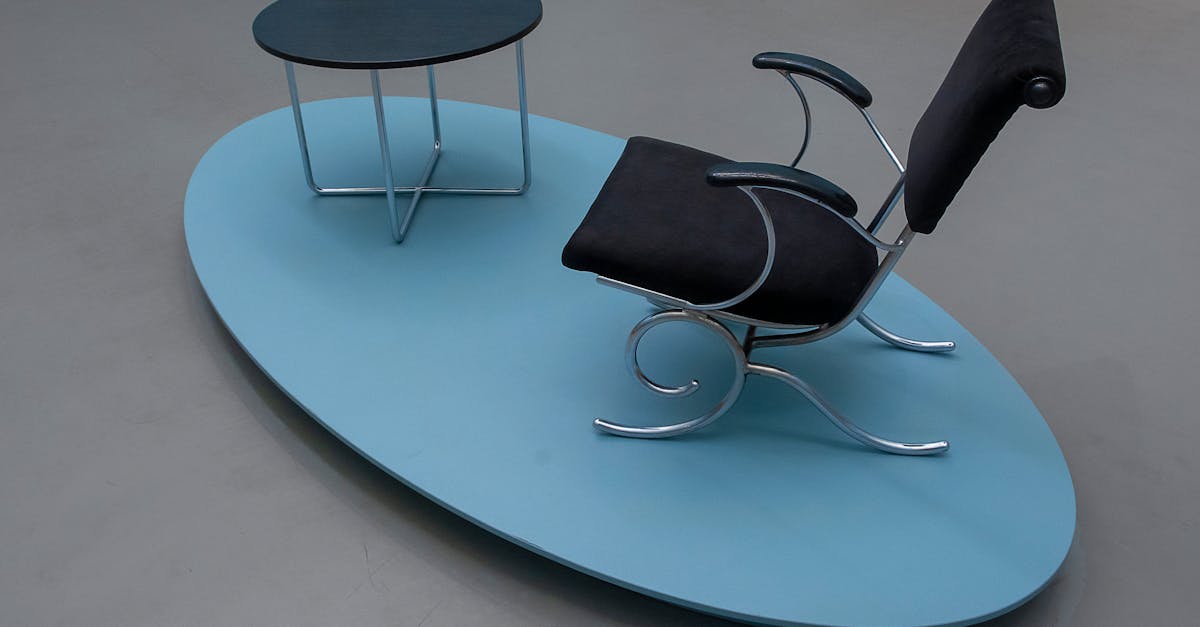
One effective way to introduce retro style is through the use of statement pieces. For instance, a standout velvet sofa paired with minimalist side tables can create a stunning focal point, bringing the nostalgia of the 70s into a clean, modern space. Consider the following approaches:
- Accent Pieces: Start with smaller items like cushions, rugs, or wall art that echo 70s designs. This approach allows you to dip your toes into the vintage waters without fully committing to a particular style.
- Layering Techniques: Mix 70s furniture with contemporary pieces to create a cohesive look. A mid-century modern table can be beautifully paired with a funky retro lamp, marrying both styles harmoniously.
- Color Coordination: Embrace the bold colors of the decade but limit the palette to a few select shades or patterns. This keeps the space vibrant yet manageable, preventing an overwhelming visual experience.
This fusion creates a unique narrative within your home, allowing your personality to shine through while paying homage to a beloved era.
Environmental Impact of Reviving 70s Furniture Trends
The resurgence of 1970s furniture also coincides with a broader trend towards sustainability in design. Many consumers are turning to vintage pieces as an eco-friendly alternative to new mass-produced items, significantly reducing their carbon footprint. Reasons behind this shift include:
- Durability: Unlike many modern furnishings, many pieces from the 70s were built to last, using quality materials. Investing in these items not only promotes recycling but also supports longevity in furniture.
- Unique Finds: Vintage shopping often leads to one-of-a-kind treasures that can’t be replicated. This uniqueness adds character to any interior.
- Awareness of Fast Fashion: As consumers grow more critical of fast fashion in various industries, there’s an increased interest in sustainable practices, further bolstering the demand for vintage and retro styles.
| Characteristic | 70s Furniture | Modern Furniture |
|---|---|---|
| Material | Wood, Vinyl, Velvet | Metal, Plastics, Composite Materials |
| Style | Curvy, Bold Patterns | Sleek, Minimalist Lines |
| Colors | Earthy Tones, Bright Hues | Neutral Palettes |
How to Accessorize 70s Furniture in Your Home Decor
Accessorizing retro pieces can further enhance their appeal, adding layers of texture and personality to your space. Here’s how to stylishly supplement your vintage finds:
Textiles and Patterns
Utilize various textiles to complement the vintage design. Consider adding:
- Throws and Pillows: Incorporate bold colors and patterns that reflect the essence of the 70s. Look for items featuring floral motifs or geometric shapes that tie in with your furniture choice.
- Rugs: Area rugs can set the room’s tone. A shag rug, for instance, can bring a sense of coziness while grounding the retro style.
Artwork and Décor
Choose wall art and decor that resonates with the 70s aesthetic. Look for:
- Framed Prints: Opt for prints featuring classic 70s themes, such as abstract art or nature scenes.
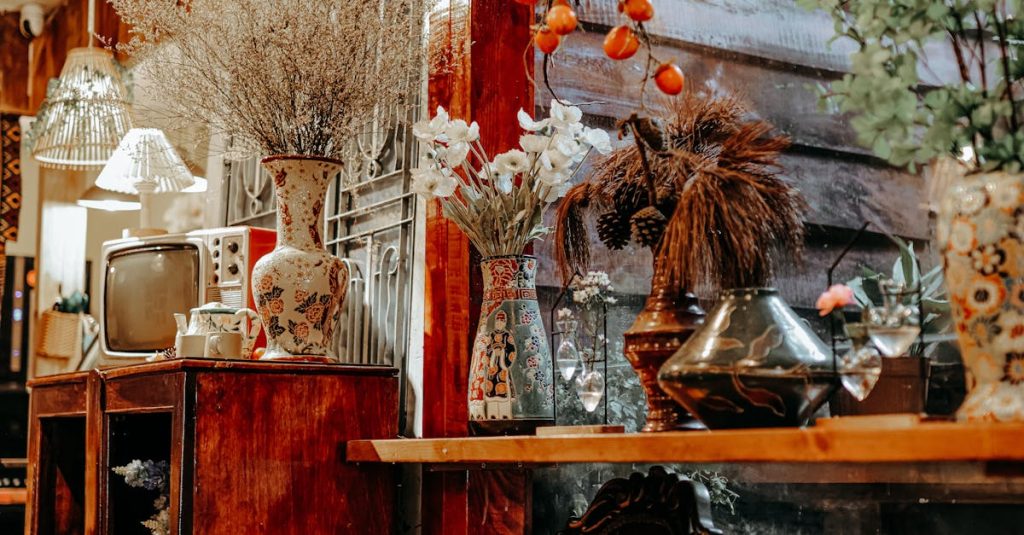
- Decorative Objects: Vintage vases, sculptures, and collectibles can serve as conversation starters while enhancing the nostalgic vibe.
By thoughtfully accessorizing, you can create a harmonious and inviting atmosphere that celebrates the boldness of the 1970s.