In an era marked by consumerism and rapid technological advancement, many people find solace in the concept of minimalism. This design philosophy, encapsulated by the phrase “less is more,” invites individuals to embrace simplicity and intention in their surroundings. As the clutter of modern life encroaches upon our mental and physical spaces, the urge to create a peaceful interior is more relevant than ever. Minimalism encourages us to focus on what truly matters, advocating for clean lines, neutral colors, and functional furniture that enhances both our living environment and mental clarity. This article will explore various strategies to adopt minimalist decor effectively, integrating ideas that facilitate a calm atmosphere and open space.
Understanding Minimalism in Interior Decor
At its core, minimalism in interior design is about intentionality. This philosophy promotes the idea that every element within a space should serve a distinct purpose, either by contributing to functionality or by bringing joy. Opposing styles that celebrate abundance and eclectic variety, minimalism encourages restraint. It derives from principles found in Zen Buddhism and has been popularized by movements such as the Bauhaus in the early 20th century.
To create a minimalist space, one must first grasp the fundamental characteristics that define this design approach. These include:
- Clean, Simple Lines: Furniture often features geometric forms, avoiding ornate details that can detract from the minimalist ethos.
- Neutral Color Palette: Soft whites, beiges, grays, and muted tones form the foundation of minimalist interiors.
- Intentional Negative Space: This concept refers to empty areas surrounding objects, allowing the eye to rest and enhancing the feeling of openness.
- Function Over Form: Each piece of furniture must be both useful and aesthetically pleasing.
Moreover, understanding how to curate your space meaningfully is vital. The goal is to create an environment that embodies tranquility and supports mental clarity, making minimalism more than just a visual style; it’s a lifestyle choice aimed at fostering well-being.
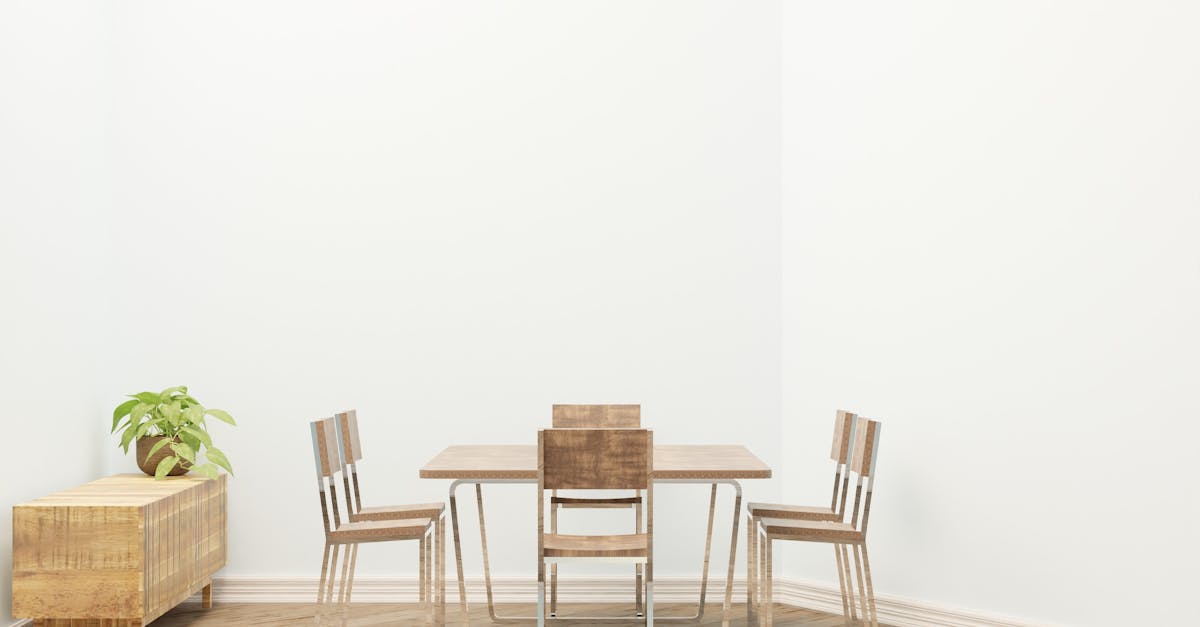
The Benefits of Adopting Minimalism
Embracing a minimalist approach in home decor comes with a wealth of benefits that extend beyond aesthetics. One of the most immediate advantages is the capability to reduce stress. A clutter-free space can significantly lower anxiety levels and enhance focus. Research suggests that individuals surrounded by chaos tend to experience heightened stress and distraction, while those in minimalist environments enjoy a sense of calm and clarity.
Time efficiency is another compelling reason to consider minimalism. With fewer possessions, less time is spent cleaning and organizing. Imagine a home where surfaces are free from clutter, making the daily routine simpler and more efficient.
Furthermore, minimalism can lead to significant financial savings. By opting for quality items instead of a multitude of cheaper alternatives, one can invest in sustainable pieces that endure over time. This approach not only conserves capital in the long run but is also environmentally friendly, contributing to a reduction in waste and consumerism.
Many individuals transitioning to an intentional lifestyle find minimalism particularly liberating. Clarity, cleanliness, and purpose define this style, making it appealing for busy urban dwellers and those overwhelmed by material possessions.
Key Elements of Minimalist Decor
To effectively implement minimalism into your home, several critical elements must be considered. Each serves as a guideline to facilitate a smoother integration of minimalistic principles into daily life:
| Element | Description |
|---|---|
| Simple Furniture | Opt for pieces that offer functionality without excess embellishment. |
| Neutral Color Schemes | Focus on soft, calming colors that create a spacious and open feel. |
| Natural Materials | Incorporate elements like wood, linen, and stone to add texture without clutter. |
| Hidden Storage | Utilize built-ins, cabinets, and multipurpose furniture to maintain clear surfaces. |
| Thoughtful Decor | Select a few cherished items rather than overcrowding spaces with multiple pieces. |
This table serves as a foundation for creating a calm atmosphere that aligns with minimalist principles. Each element encourages intentionality, ensuring that every aspect of your decor reflects your values and contributes to a serene living space.
Practical Tips for Decluttering Your Space
Embarking on a minimalist journey begins with decluttering. The process may seem daunting, yet it is an essential step towards achieving a simplified environment. Here are several practical strategies to guide your decluttering efforts:
- Assess Every Item: Evaluate whether each item serves a purpose or brings joy. If it does neither, consider letting it go.
- Start Small: Focus on one room or even a single drawer at a time to avoid feeling overwhelmed.
- Use the 90/90 Rule: If you haven’t used an item in the last 90 days and don’t foresee using it in the next 90, it’s a strong candidate for donation.
- Keep Surfaces Clear: Aim to keep countertops, tables, and shelves as empty as possible, allowing each object to stand out.
- Implement a “One In, One Out” Strategy: Whenever a new item is introduced, let go of another to maintain balance and prevent accumulation.
By adopting these strategies, you can transform your living environment, leading to a more peaceful and intentionally curated space. Decluttering not only helps in creating a more serene atmosphere but also offers an opportunity for self-reflection and growth.
Transforming Your Space: Real-Life Inspirations
The journey into minimalism can feel abstract without concrete examples of successful transformations. Across various platforms, numerous minimalist decor success stories provide inspiration for those looking to implement these principles into their own homes. For instance, consider how someone has transitioned from a cluttered space filled with excess furniture to an open area that breathes tranquility. This transformation showcases the potential for free movement and mental relaxation.
Many online resources, such as design blogs, feature narratives of individuals who have drastically changed their environments through minimalistic approaches. These stories often detail the emotional liberation felt through such transformations, highlighting not just aesthetic changes, but also significant mental clarity and improved quality of life. Engaging with these narratives enriches one’s understanding of how simple design leads to profound living changes.