Modern vehicles are packed with advanced safety technology designed to protect drivers and passengers alike. Among these innovations, Advanced Driver-Assistance Systems (ADAS) stand out for their ability to enhance road safety through sensors, cameras, and software integrations. Although these systems operate seamlessly to the average driver, keeping them properly calibrated is crucial. But how do you know when your vehicle’s ADAS truly requires recalibration?
ADAS Calibration: What About It?
ADAS includes an array of safety features such as lane departure warnings, adaptive cruise control, collision avoidance, and backup cameras. These rely on accurately aligned cameras and sensors to function correctly.
When these sensors lose alignment, even slightly, the system’s performance can degrade, resulting in false alerts or missed hazards. For instance, a misaligned camera might fail to detect lane markings or incorrectly signal the presence of obstacles. Regular calibration ensures that the system interprets the external environment precisely, preserving both your safety and your vehicle’s integrity.
The Role of Sensors and Cameras
Sensors are often hidden from view, mounted on or near the windshield and bumpers. This means that seemingly minor vehicle repairs or alterations can disrupt their positioning. Calibration realigns these components to factory standards, ensuring each sensor communicates accurately with your vehicle’s computers. This alignment process often requires specialized equipment and expertise, underlining the importance of professional calibration services.
Common Safety Features Dependent on Calibration
ADAS includes a variety of driver-assistance elements such as:
- Blind-Spot Monitoring
- Automatic Emergency Braking
- Lane Keeping Assistance
- Parking Assistance Systems
Each of these depends on proper calibration to work effectively. Neglecting recalibration can render these features unreliable or completely useless, exposing you and others to unnecessary risk.
When Should You Consider ADAS Recalibration?
Knowing when recalibration is truly required helps prevent both unnecessary costs and safety risks. Below are pivotal situations that commonly call for ADAS alignment checks.
Windshield Replacement or Repair
Many ADAS sensors and cameras are integrated into or mounted directly behind the windshield. Consequently, if your windshield suffers a crack or needs replacement, recalibration is typically mandatory. A newly installed windshield, if not calibrated properly, may disrupt sensor alignment, affecting rain sensors and heads-up displays. Learn more about professional windshield replacement and the safe recalibration practices at this helpful resource.
After Collisions or Body Repairs
A collision, even a minor one such as a fender bender, can cause misalignment of your ADAS components. Repairs to bumpers, mirrors, or doors often disturb sensor placement, necessitating specialized recalibration services to restore system accuracy. For example, a side mirror replacement affects blind-spot sensors and requires recalibration to maintain proper warnings.
Changes to Wheel Alignment and Suspension
Adjustments in your wheels or suspension alter your vehicle’s geometry, potentially impacting the orientation of forward-facing cameras and radar. This can decrease the reliability of lane-departure warnings and adaptive cruise control. Car manufacturers like Toyota and Ford explicitly recommend ADAS recalibration after such service work to ensure your systems remain trustworthy.
Vehicle Modifications
Common modifications like changing tire sizes, altering suspension height, or installing lift kits can also affect sensor alignment. These modifications may shift critical measurement points, causing inaccurate system readings. Keep in mind, some upgrades might even exceed calibration limits, making certain ADAS features inoperable until reversed. For more details on sensor recalibration after modifications, please visit this informative guide.
Recognizing the Signs Your ADAS Needs Calibration
Sometimes the need for recalibration is not obvious. However, being alert to specific symptoms can help you identify when your vehicle’s advanced systems require professional attention.
Dashboard Warnings and False Alerts
Unexpected alerts on your dashboard related to proximity or collision warnings, even when there is no actual hazard, can indicate sensor misalignment. Similarly, if your ADAS features trigger too early, too late, or behave erratically, it’s a red flag that calibration might be off.
Unusual Sensor Behavior
If your backup camera, lane-keeping assist, or collision avoidance system is underperforming or inconsistently detecting objects, this inconsistency points to a calibration issue. Erratic sensor behavior lowers your vehicle’s safety margin and impacts your confidence behind the wheel.
Post-Repair Symptoms
Following any repair or replacement involving the vehicle’s exterior, especially windshields, bumpers, mirrors, or suspension, it’s advisable to have your ADAS checked. Even minor repairs can cause significant sensor drift, so don’t overlook the need for recalibration.
Ensuring Proper Calibration: Professional Help and Best Practices
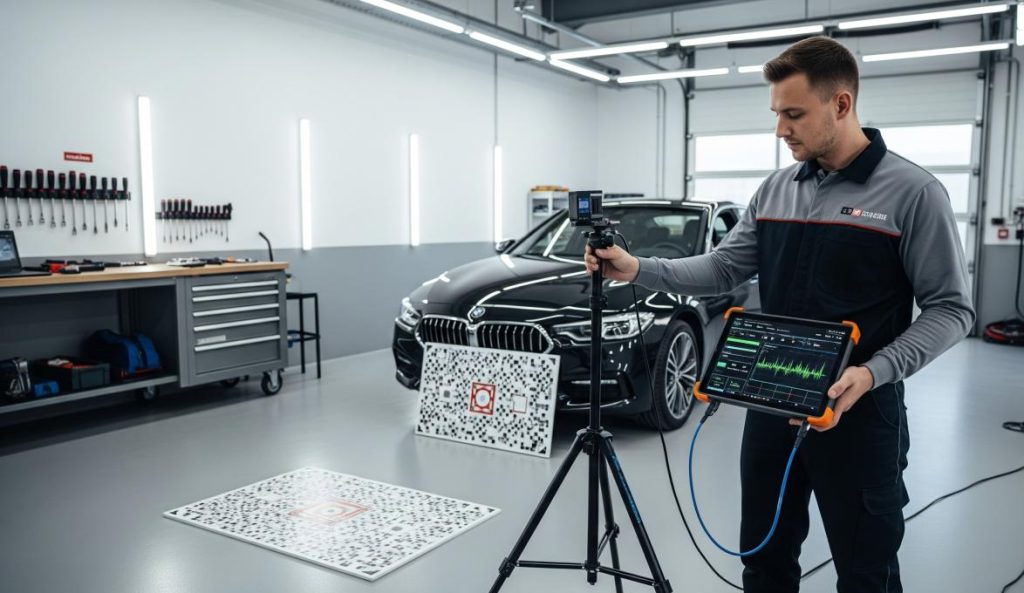
Successful ADAS recalibration hinges on expert technicians using the right tools and procedures. This is not a DIY chore. Professional services conduct either static or dynamic calibration, involving specialized diagnostic equipment linked to the vehicle’s onboard systems.
Static calibration involves aligning sensors without driving, often performed in facilities equipped with calibration targets. Dynamic calibration requires a measured on-road drive, allowing the vehicle to adjust sensors in real-time based on actual conditions.
Preparation for calibration includes checking proper tire inflation, maintaining normal fuel levels, and ensuring no extra weight or cargo skews vehicle height, all essential for accurate results.
The Risks of Skipping ADAS Calibration
Ignoring necessary calibration poses safety risks, potentially disabling vital collision avoidance and warning systems. Faulty sensors could result in delayed braking, missed lane corrections, or inaccurate blind-spot detection, all contributing factors in many accidents.
Beyond safety, neglecting calibration may jeopardize warranty coverage and insurance claims, as many manufacturers and insurers require proof of proper system recalibration after repairs.
If you’ve recently experienced any of these repair scenarios or notice irregular ADAS behavior, don’t delay in seeking professional evaluation. Certified technicians with advanced tools can restore your vehicle’s safety features to peak condition, securing peace of mind for every trip. Contact Unlimited Auto Glass to schedule an ADAS system check.