Tackling a substantial roofing project is no small feat. Whether replacing an aging roof or upgrading your home’s protection, careful planning is paramount. By preparing wisely, you can ensure a smooth process that saves time, avoids unexpected pitfalls, and guarantees lasting results.
Thorough Planning Importance
Before the first nail is hammered or shingle lifted, the foundation of a successful roofing project is laid in the planning stage. A comprehensive preparation strategy helps you anticipate challenges, control costs, and coordinate effectively with your contractor.
A thoughtful plan includes assessing your current roof, selecting appropriate materials, and scheduling work during optimal weather conditions. For example, a roof replacement generally takes 1 to 3 days for asphalt shingles, but can extend to a week for metal or tile roofs, depending on complexity and climate. Choosing a contractor experienced in local building codes and weather considerations will also streamline permit acquisition and installation.
Evaluating Your Roof’s Condition
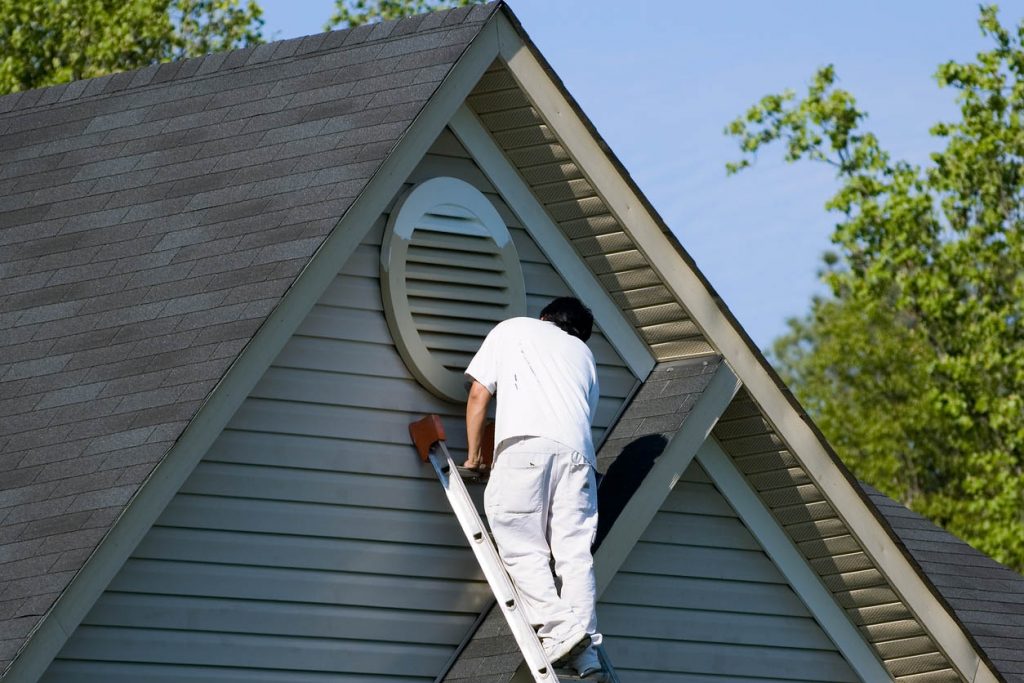
Start by inspecting your roof’s current state to identify issues like missing shingles, leaks, or sagging areas. Early detection of these problems prevents escalation and helps your contractor prepare adequately. If you want to delve deeper into choosing the right professional, resources like this guide on selecting roofing contractors offer valuable insights tailored to your region.
Selecting Suitable Roofing Materials
Your choice of roofing material influences both aesthetics and durability. Asphalt shingles are popular due to affordability and ease of installation, while metal and tile options provide enhanced longevity and weather resistance. Climate plays a crucial role, materials resilient to local conditions reduce maintenance and extend roof lifespan.
Consult your contractor about material options adapted to your environment. Additionally, understanding waterproofing is critical for durable homes; check out these essential waterproofing tips to reinforce protection against moisture-related damage.
Preparing Your Home and Surroundings
The day of your roof project is inevitably dynamic and noisy, affecting not just your house but the entire property. Adequate preparation helps you minimize disruption and protect your belongings.
Simple preventive steps such as moving vehicles from the driveway and securely relocating pets can drastically reduce stress on installation day. Turning off automatic irrigation systems prevents unnecessary lawn damage from contractor foot traffic.
Protecting Valuables and Pets
Roof replacement involves vibrations that may jostle fixtures and decorations. To avoid damage, remove valuable wall hangings and move fragile items to safer locations. Pets are often unsettled by construction noise; arranging for their temporary care will alleviate anxiety and help maintain a calm work environment.
Ensuring Safety and Access
Clear pathways for workers not only speed up progress but also keep everyone safe. Confirm that exterior power sources, like outdoor outlets, are functional as contractors may require them. It’s vital to communicate openly with your roofing team to align on expectations and any special accommodations.
What to Expect During the Roofing Process
The actual roof installation is a well-orchestrated construction project, though it can feel chaotic to the uninitiated. Knowing the steps taken by professionals can help you stay relaxed and informed as the transformation unfolds.
Removing the Old Roof and Repairing the Deck
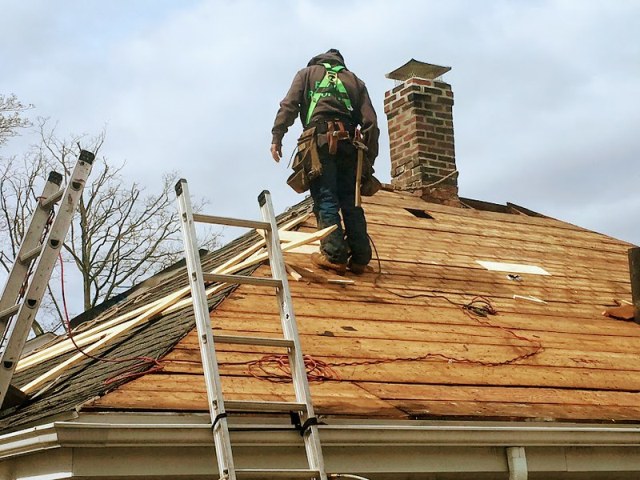
The initial phase involves stripping away old shingles or tiles, exposing the roof deck beneath. This step is critical for uncovering hidden damage like rot or mold that requires swift repair, ensuring a stable foundation for new materials. By understanding this, you’re less likely to be caught off guard by unexpected work or costs.
Installing Underlayment and New Roofing Material
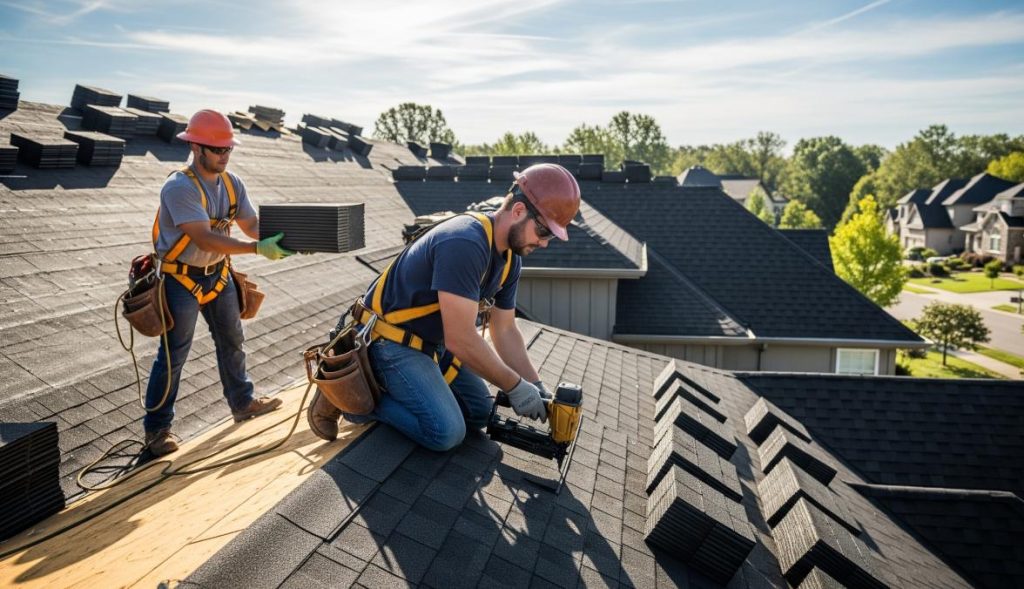
Following repairs, an underlayment layer is applied to shield against water infiltration. Then comes the main material installation, precise alignment and secure fastening are essential to withstand elements and extend your roof’s life. The final touches include ridge caps and ventilation components that promote airflow and prevent moisture buildup.
Contractor Cleanup and Inspection
Before concluding, contractors thoroughly clean the site, using magnetic tools to remove stray nails and debris that could pose hazards. A final inspection ensures all elements meet quality standards. Don’t hesitate to walk through the completed work with your contractor, clarifying any questions or concerns.
Post-Installation Maintenance and Care
Completion is just the beginning of your roof’s journey. Regular upkeep safeguards your investment, preventing minor issues from ballooning into costly repairs.
Maintain gutters clear of debris, schedule routine inspections, and address small repairs promptly. Familiarize yourself with your roof’s warranty and establish a relationship with your contractor for ongoing support. If moisture control is a priority for your home, consider visiting this informative resource on essential waterproofing.
When preparing for a major roofing endeavor, combining foresight and collaboration with your contractor is the ultimate recipe for success. To make your roofing dreams a reality, reach out to trusted professionals who specialize in comprehensive roofing work. Contact Boss Roofing for a free estimate on their services and tailored assistance geared towards your home’s needs.