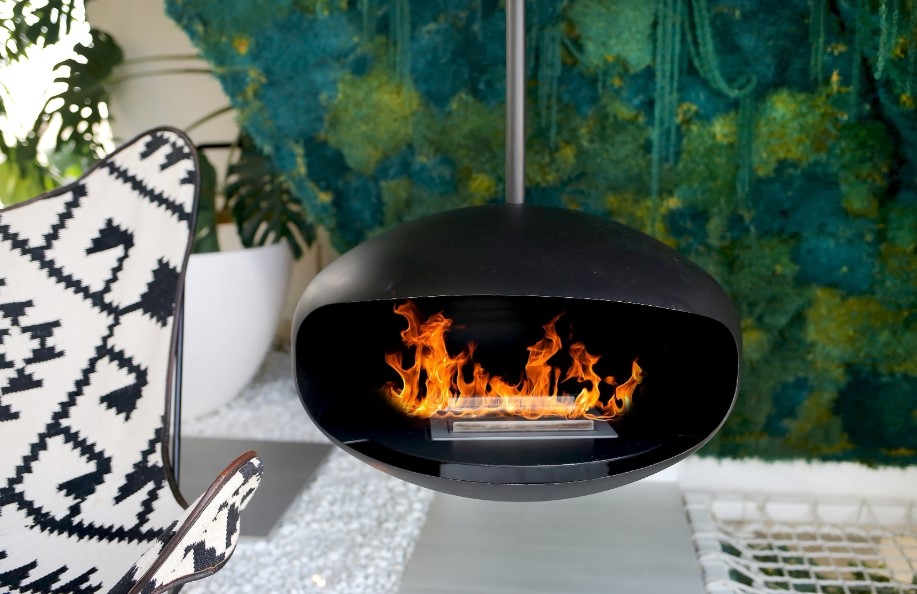
Creating a warm and inviting atmosphere with a fireplace can transform any living space into a cozy sanctuary during cold months. Whether you favor the classic charm of wood or the modern convenience of gas, a thoughtfully installed fireplace enhances both comfort and home aesthetics. To ensure your hearth remains a safe and efficient centerpiece, let’s explore five essential tips for installing your gas or wood fireplace with care and expertise.
Choose the Right Type of Fireplace for Your Home
The first step toward a successful installation is selecting the fireplace type that fits your lifestyle and space. Gas fireplaces offer unparalleled convenience with instant flames and reduced maintenance, ideal for those seeking cleanliness and steady heating. Alternatively, wood-burning fireplaces exude traditional warmth and the nostalgic crackle of real flames, perfect for homeowners who cherish authentic ambiance and don’t mind a bit of upkeep.
Each option demands specific site preparation and ventilation considerations. Gas units typically require proper venting or, in some cases, ventless designs used cautiously. Wood fireplaces need a sturdy chimney constructed with non-combustible materials, and regular cleaning to prevent creosote buildup. Understanding these differences helps streamline installation and ensures compliance with safety codes.
Consulting with seasoned professionals gives you insight into local regulations and installation constraints. Correct placement within your room can not only optimize heat distribution but also contribute aesthetically to your living space. This early decision sets a solid foundation for a fireplace that’s both a functional heating source and an appealing focal point.
Ensure Professional and Code-Compliant Installation
A fireplace is inherently a safety-critical feature; therefore, professional installation is non-negotiable. Certified technicians guarantee that gas lines, chimneys, or electrical components connect flawlessly and securely. This expertise reduces risks such as gas leaks or faulty venting that could lead to hazardous carbon monoxide accumulation.
Adhering to local building codes safeguards your investment and simplifies home inspections. Whether you’re adding a new structure or retrofitting an existing fireplace, the installer must verify clearances from combustible materials and install appropriate heat shields where needed. Proper sealing of chimneys and vents is crucial to prevent smoke or toxic gases from infiltrating your living quarters.
After installation, schedule inspections to certify that safety standards are met. Testing flame ignition, gas flow, and ventilation efficiency ensures the fireplace performs reliably throughout the heating season. Neglecting this phase might jeopardize both safety and enjoyment of your new installation.
Remember, DIY or amateur attempts can compromise safety and lead to costly repairs, so enlisting a licensed installer is the surest path forward.
Prioritize Annual Maintenance and Safety Measures
Even the best-installed fireplace requires regular care to maintain safety and efficiency. Wood-burning fireplaces demand yearly chimney cleaning to remove accumulating creosote and debris. This buildup poses a significant fire hazard if left unattended. Professional chimney sweeps can also inspect structural integrity and recommend repairs before issues escalate.
Gas fireplaces benefit from routine service to check seals, ignition systems, and ventilation pathways. A malfunctioning component can cause incomplete combustion or release harmful fumes. Installing and maintaining a carbon monoxide detector near your fireplace is paramount, as this dangerous, odorless gas can accumulate unnoticed in poorly ventilated spaces.
Creating a safe perimeter by keeping combustible items at a safe distance and using fireplace screens for wood models protects your home from stray embers and heat damage. Additionally, have a fire extinguisher accessible to address any unexpected mishaps swiftly.
Optimize Your Fireplace for Comfort and Efficiency
Beyond safety, an efficiently installed fireplace saves on energy costs and maximizes warmth. Gas fireplaces offer precise heat control with thermostatic features, while wood fireplaces can be optimized by using seasoned hardwood like oak or hickory, which burn longer and cleaner than softwoods. Properly seasoned firewood minimizes creosote and smoke production, making your hearth friendlier to indoor air quality.
To further reduce heating expenses, integrate your fireplace use with sensible home heating practices. For example, supplementing with your central system during extreme cold reduces fuel consumption. For inspiration on lowering energy bills, check out expert guidance on how to reduce energy consumption for heating.
Finally, consider the installation environment itself: enhancing your fireplace’s backdrop with tasteful materials, such as classic or reclaimed bricks, can elevate the room’s ambiance. Discover fresh ideas on designing with old bricks for a modern look that blend tradition with elegance.
Your fireplace can be a breathtaking centerpiece that delivers warmth and charm, provided it’s installed and maintained correctly. Prioritizing professional installation, adhering to safety protocols, and committing to regular upkeep create the foundation for many cozy winters ahead. Thoughtful choices in wood or gas models, ventilation, and fire safety precautions will protect your home while enhancing comfort.
To bring the inviting ambiance of a perfectly installed fireplace to your home, contact trusted professionals for expert consultation and service to ensure your installation is safe, efficient, and tailored to your lifestyle.