Optimizing a small apartment can be a rewarding challenge, but numerous pitfalls threaten to transform this opportunity into a cramped and frustrating experience. In 2026, with urban living spaces becoming increasingly compact, mastering the art of space optimization is crucial. From selecting the right furniture to creating efficient storage solutions, every decision contributes to the overall comfort and functionality of your home. This article highlights the most frequent errors made in small apartment design and improvement—and more importantly, how to steer clear of them for a harmonious living environment.
Precision in Measurement: The Foundation of Successful Space Optimization
One of the earliest and most crucial errors when working with a small apartment is disregarding precise measurements. Many residents fall into the trap of relying on estimated or superficial dimensions, resulting in furniture that overwhelms their space or leaves awkward gaps. For example, purchasing a sofa without confirming doorway widths or room depth can result in delivery nightmares.
To avoid such situations, consider the full room layout, including not only floor dimensions but also vertical clearances, such as ceiling height and window placement. Use laser measuring tools or reliable tape measures, and always verify circulation paths that require at least 2 to 3 feet of clearance for comfortable movement.
For further insight into these measurement essentials, the resource 9-home improvement mistakes to avoid in small apartments offers detailed guidance on key measurements to master.
Strategic Furniture Placement to Prevent Overcrowding
The way furniture is arranged makes a significant difference in perceived space. Overcrowding is a common mistake, where too many bulky pieces are squeezed into a limited area, causing clutter and hindering movement. The challenge is to strike the right balance between comfort and openness.
Choosing Multi-Functional Furniture
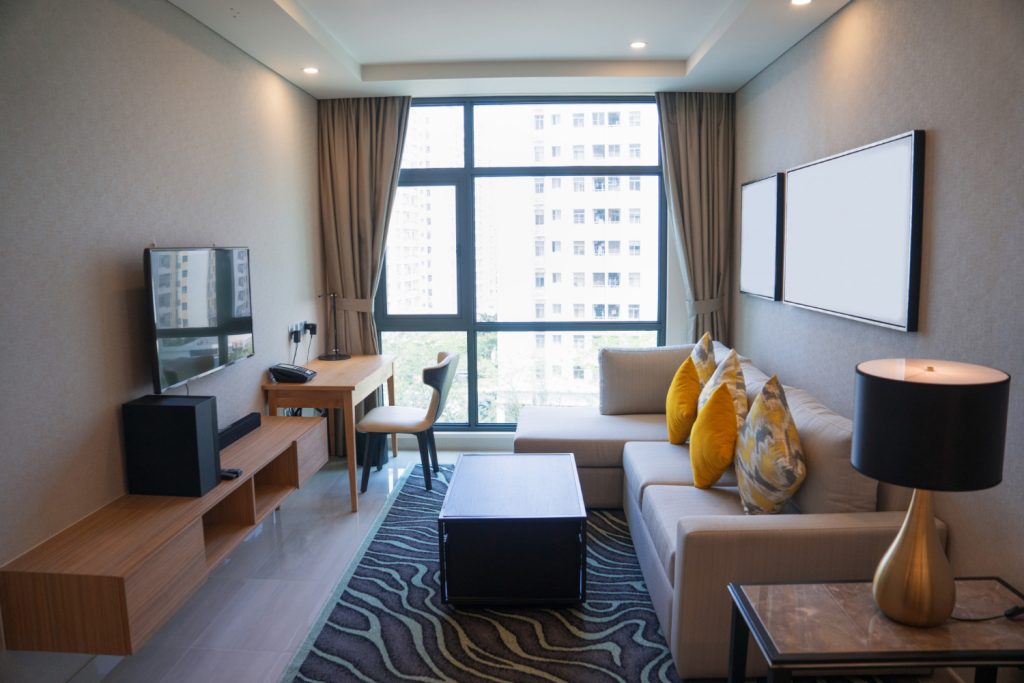
Multi-functional furniture plays a pivotal role here. A sofa bed, foldable dining table, or storage ottoman serves multiple purposes without consuming extra floor space. For instance, a couch with built-in drawers not only provides seating but also extra storage, helping combat clutter.
Multi-use pieces also simplify your décor by reducing the number of items needed, which prevents overdecorating and visual noise.
Optimizing Pathways and Flow
Instead of pushing all pieces against the walls, floating the furniture slightly inward can create natural pathways and a feeling of openness. Maintain a minimum walking space of around 3 feet in key areas. To better visualize practical layouts, see the practical tips in Small Apartment Layout Mistakes to Avoid.
Innovative Storage Solutions: Vertical and Hidden Space Use
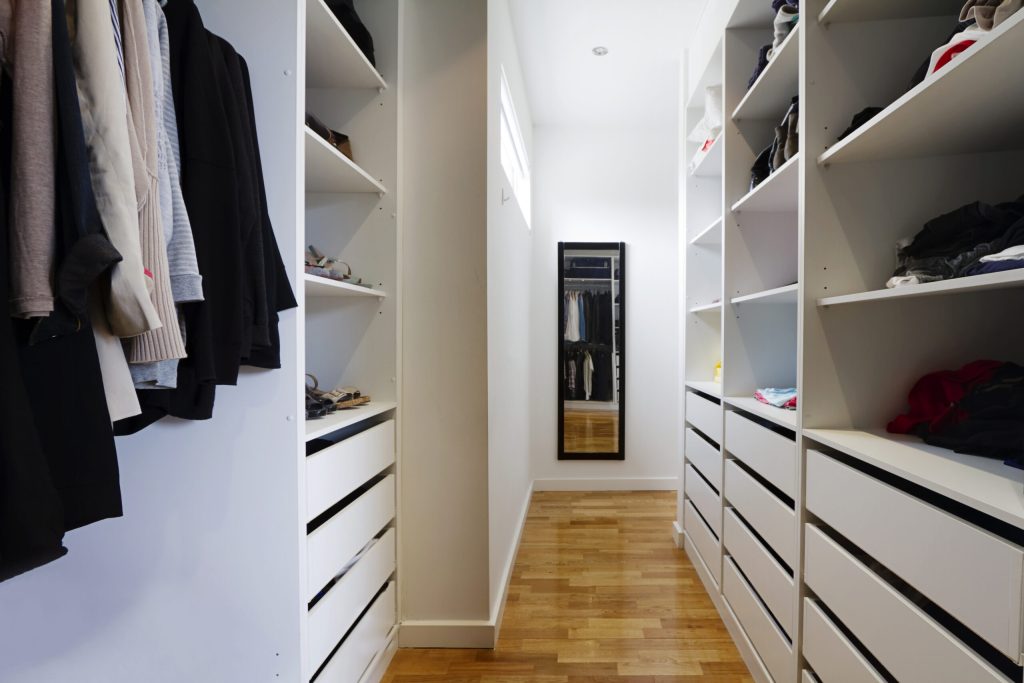
Without effective storage solutions, clutter accumulation is inevitable, quickly reducing the comfort and perceived size of your space. Many apartment dwellers miss the crucial opportunity of exploiting vertical spaces through wall-mounted shelving, hanging organizers, or high cabinets.
Built-in storage is also invaluable. For example:
- Under-bed drawers and beds with lift-up frames
- Corner shelving units that make otherwise wasted spots functional
- Furniture items with concealed compartments
These solutions ensure your belongings stay organized and out of sight without compromising accessibility.
| Storage Type | Benefits | Suitable For |
|---|---|---|
| Vertical Wall Shelves | Maximizes height, frees floor space | Books, décor, kitchenware |
| Hidden Storage Furniture | Dual functionality, clutter control | Small items, linens, accessories |
| Built-in Closets & Cabinets | Customized fit, efficient use of space | Clothing, household goods |
Check out creative ideas for small apartment organizing in The main mistakes in a small apartment for more inspiration.
Lighting and Color Scheme: Expanding Your Space Visually
In small apartments, effective lighting and thoughtful color schemes transform the ambiance and perception of space. Poor lighting makes a room feel cramped and gloomy, while a layered lighting approach adds depth and warmth.
Layered Lighting Essentials
Combine ambient lighting with task and accent lights. For example, use ceiling-mounted LED fixtures for general illumination, a floor lamp by the reading chair for focused light, and LED strips under shelves for subtle highlights.
Choosing the Right Colors
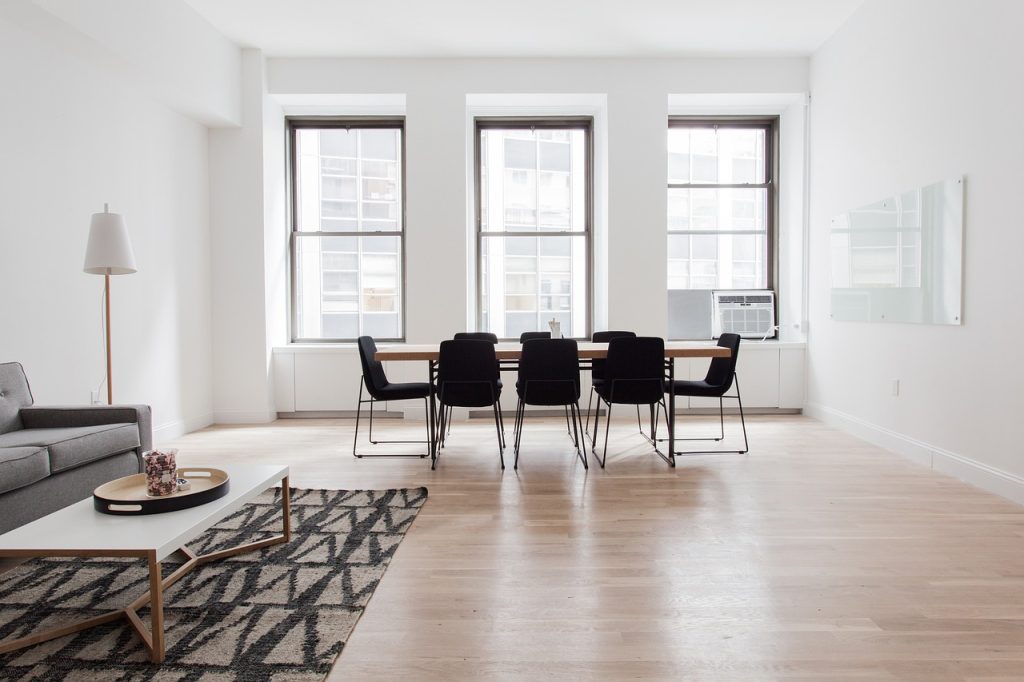
Light, neutral walls—such as off-whites, soft beige, and pastel tones—reflect natural and artificial light better than dark shades. Dark colors tend to absorb light, shrinking the perception of space, unless used judiciously as an accent. Mirrored surfaces and glossy finishes further amplify brightness.
Avoid mixing too many contrasting patterns, which create visual clutter; instead, opt for a coherent palette with selective accent colors for personality.
For a thorough exploration of lighting strategies suitable for small apartments, visit Apartment Therapy’s tips.
Think Ahead: Planning to Prevent DIY and Budget Mishaps
Undertaking DIY home improvement projects can invigorate a space and save expenses but rushing without a plan leads to costly errors. Many overlook the significance of precise preparation, appropriate tools, and realistic timeframes.
Before painting walls or assembling furniture, map out the entire process. Test products on small areas to prevent large-scale mistakes.
Equally, budget carefully. Overspending on trendy but impractical items wastes limited funds, while smart prioritization of upgrades enhances both aesthetics and functionality.
Key elements for successful DIY and budgeting include:
- Measuring and sketching your project beforehand
- Choosing beginner-friendly projects with visible impact
- Tracking expenses rigorously
- Opting for durable, easy-to-maintain materials
For specific budgeting strategies in small spaces, consider resources like Top Mistakes to Avoid in Small Apartment Interior Design.