Struggling to create a harmonious living environment in a compact space? Achieving the perfect balance between functionality and style can transform even the smallest rooms into inviting sanctuaries. In 2026, as urban living trends push us towards downsized homes, mastering the art of furniture harmony and smart space optimization has never been more essential. This article delves into the principles of furniture arrangement, emphasizing how aesthetic balance combined with multifunctional furniture can revolutionize compact living. We’ll explore practical strategies to elevate your interior design, ensuring every piece contributes to a cohesive, well-organized, and comfortable space.
Why Furniture Harmony Transforms Small Living Spaces
Furniture layout within small spaces does far more than fill a room—it shapes the way inhabitants experience their home. Harmonious arrangement not only optimizes every inch but also infuses the environment with a comfortable flow that feels natural and inviting. In compact interiors, where space optimization is paramount, neglecting furniture harmony can lead to clutter and restricted movement, affecting mood and efficiency. Thus, mastering furniture harmony means blending design with functionality, creating balance that supports everyday living even in the tiniest rooms. This approach fosters a serene atmosphere where decoration and organization work in sync rather than conflict.
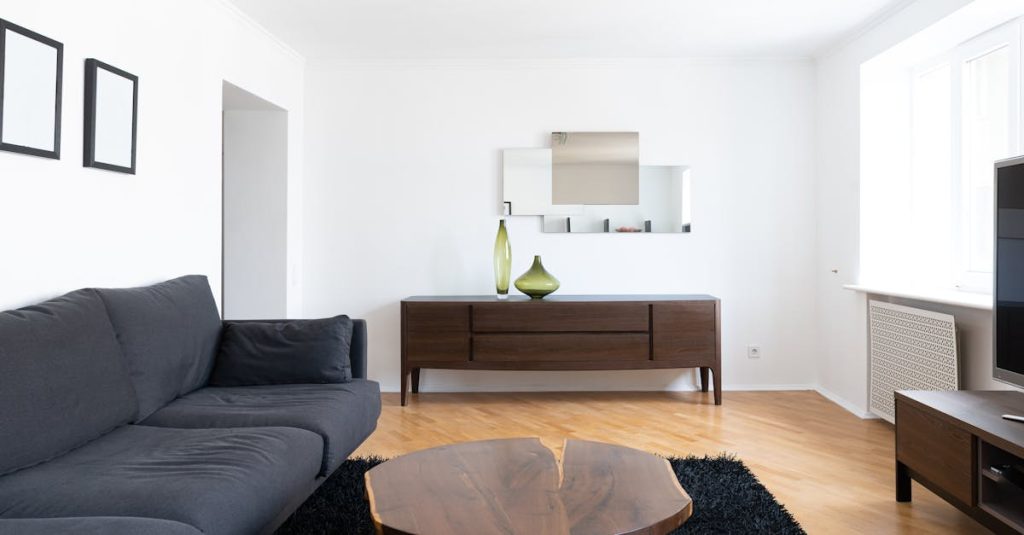
Consider a small living room emphasized by a simple brown leather sofa and sleek glass coffee table. The strategic placement near a large window enables natural light to expand the perception of space, while the addition of textured pillows adds comfort without creating clutter. These subtle choices demonstrate how prioritizing harmony through size and texture can impact room dynamics positively. Whether your space is long and narrow or square compact, the right furniture composition ensures every item contributes to the whole.
Principles of Space Optimization through Furniture Layout
Effective interior design begins with foundational principles that govern space use. First, proportion and scale ensure furniture suits the room size without overwhelming or underfilling the area. Large furniture pieces in a small room can feel oppressive, whereas too many tiny pieces create visual chaos. Finding equilibrium allows for both comfort and flow.
Balance plays a vital role, achieved through symmetrical or asymmetrical arrangements where visual weight is distributed but not monotonous. For example, matching chairs on either side of a sofa create formal balance, while mixing different but similarly weighted pieces achieves an eclectic yet stable feel.
Finally, traffic flow must remain unobstructed. Paths need clear access with no furniture blocking doorways or windows, allowing movement that feels instinctive rather than constricted. These principles enable small spaces to breathe while maintaining a cohesive aesthetic.
Choosing Multifunctional Furniture for Compact Living
Furniture designed for small spaces thrives on multifunctionality — a trend that flourished in 2026 as urban dwellers seek practical solutions without sacrificing elegance. Pieces like ottomans with hidden storage or expandable tables do double duty, significantly contributing to space optimization and organization.
Before selecting furniture, measuring your area precisely is imperative. Considering doorways, attic slopes, and window placements guides the best sizing and shapes for your pieces. Embracing compact, lightweight designs that are visually light but functional helps maintain aesthetic balance. For instance, a wall-mounted desk that folds away frees floor space when not in use, ideal for studios or rooms serving multiple functions.
Tips for Picking the Right Furniture for Small Spaces:
- Prioritize multifunctional pieces to reduce clutter
- Choose designs that are light and airy visually, such as legs instead of solid bases
- Measure your space carefully to ensure fit and flow
- Incorporate items with hidden storage to maintain organization
- Complement colors in harmony with existing decor to unify the room
Creating a Focal Point to Anchor Your Small Room
In any well-arranged space, a focal point naturally draws the eye, providing a sense of purpose and calm. In small rooms, this is especially important as it anchors the room and prevents visual disarray. Focal points can be fireplaces, a distinctive sofa, or a large window showcasing an outdoor view, each offering an anchor around which to arrange other furniture.
For example, a bold accent wall in a compact living room can serve as a stunning visual anchor. Positioning the sofa and chairs around this wall ensures that the room feels intentional and balanced, helping to maintain harmony between pieces and avoiding overcrowding.
How to Balance Furniture Sizes and Proportions in a Small Space
Balancing furniture involves mixing sizes and heights rather than filling the room with uniform pieces. Larger items, like a sofa or bed, act as anchors, while smaller side tables or chairs create a visual hierarchy, keeping the atmosphere dynamic yet balanced.
Ceiling height also informs furniture scale. Rooms with high ceilings tolerate taller furniture that can add grandeur without feeling cramped. Conversely, low-ceilinged spaces need lower profiles to keep an open feel. Mirrors and reflective surfaces are also remarkable tools in small spaces, visually expanding the room and enhancing brightness.