Modern industrial roofing solutions serve as a vital component for sustaining warehouse and factory efficiency. As businesses seek durability and functionality, the range of available roofing options has evolved significantly. This article unveils the advantages that contemporary roofing systems bring to industrial facilities, enhancing their performance and longevity.
Exploring Different Modern Industrial Roofing Types
When considering modern industrial roofing solutions, one must explore various available types to determine which best fits specific requirements. Each roofing type comes with unique benefits tailored to different industrial needs.
Evaluating Metal Roofing Systems
Metal roofing systems represent one of the most sought-after modern industrial roofing solutions due to their exceptional durability. Composed of materials like steel, aluminum, or copper, metal roofs provide outstanding resistance to challenging weather elements. Their longevity translates into significant cost savings over time, making them a practical choice for many businesses.
Among the advantages of metal roofing are the following:
– Energy efficiency: Metal roofing reflects heat, minimizing cooling costs during hot seasons.
– Sustainability: Often manufactured from recycled materials, various metal roofing options are recyclable at the end of their lifecycle, promoting environmental responsibility.
– Aesthetic flexibility: These roofs can be customized in different colors and designs to match aesthetic requirements while maintaining industrial functionality.
Nonetheless, it’s crucial to consider maintenance needs, as specific environments, particularly coastal areas, may pose challenges such as corrosion.
Understanding Built-Up Roofing Systems (BUR)
Built-Up Roofing (BUR) systems come with a proven history in industrial settings, showcasing reliability that many businesses trust. Made from layers of bitumen and reinforcing fabrics, BUR provides exceptional protection against water ingress, making it one of the preferred modern industrial roofing solutions for flat roofs.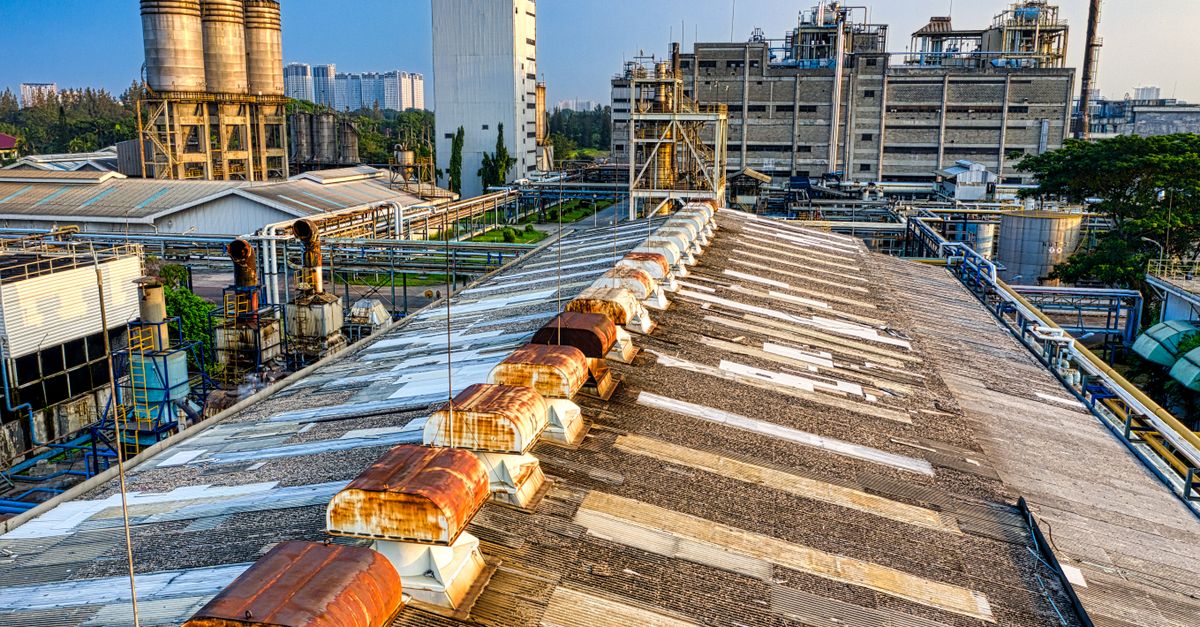
The benefits of BUR systems include:
– Enhanced waterproofing: Through proper layering, BUR systems minimize leak possibilities even under stress from heavy rains or snow.
– Cost-effectiveness: Although BUR requires regular maintenance, its durability often compensates for the upkeep expenses.
– Improved insulation: These systems help maintain steady internal temperatures, thereby reducing energy consumption.
However, just like metal roofs, BUR systems require regular inspections to address potential surface wear and ponding water issues.
Assessing Material Choices and Performance
Making informed decisions regarding modern industrial roofing solutions hinges on careful assessment of materials and anticipated performance. Understanding environmental factors and evaluating potential benefits are key steps in this selection process.
Identifying Environmental Needs
The selection of roofing materials should consider environmental conditions that influence the operational success of industrial facilities. Factors such as climate, exposure to elements, and local hazards heavily impact the choice of roofing system.
Decision-makers should weigh the following considerations:
– Climate resilience: Materials should be chosen based on resistance to specific weather challenges, be it heavy snowfall or saltwater corrosion.
– Thermal performance: Roofing systems with significant thermal resistance properties contribute to maintaining optimal interior climates.
– Building regulations: Familiarize yourself with local building codes to ensure compliance while pursuing sustainability objectives.
Understanding these factors leads to a better alignment between roofing selection and environmental performance.
Evaluating Long-Term Performance
When investigating modern industrial roofing solutions, evaluating long-term performance becomes pivotal. A thorough review allows businesses to anticipate challenges while ensuring robust infrastructure longevity.
Important metrics to consider include:
– System longevity: Selecting roofing options with proven success in similar industrial environments can provide assurance of durability.
– Maintenance requirements: It is vital to consider whether a roofing system will demand extensive upkeep, potentially impacting long-term costs.
– Technological integration: Investigating advances like remote monitoring can enhance a roofing solution’s durability and functional consistency.
Focusing on performance metrics helps businesses prioritize quality over initial costs and empowers them to achieve sustainable solutions.
Weighing Cost and Budget Aspects
Balancing costs with performance is an essential consideration when selecting modern industrial roofing solutions. Careful budgeting enables companies to invest wisely while ensuring durability and functionality.
Conducting Cost-Benefit Analysis
To make the best financial decisions regarding roofing systems, conducting a comprehensive cost-benefit analysis is essential. Understanding initial costs versus long-term savings helps businesses identify appropriate solutions aligned to their budget.
When evaluating costs, consider:
– Initial investment versus long-term savings: Assess roofing options based on their lifecycle costs, including maintenance and probable repairs.
– Budget flexibility: Allocating budgets allows for investments in higher-quality materials that promise longevity and sustainability.
– Evaluating cheaper alternatives: While lower initial costs may seem appealing, ensure that the chosen options do not compromise performance.
By carefully weighing costs against anticipated performance, businesses can select the optimal industrial roofing solution for future success.
Modern industrial roofing solutions offer a wealth of advantages, from energy efficiency and aesthetic flexibility to long-term sustainability. Understanding these benefits alongside material choices and environmental considerations empowers businesses to make informed decisions. For personalized advice on the best roofing options tailored to your needs, consult professionals at Boss Roofing.