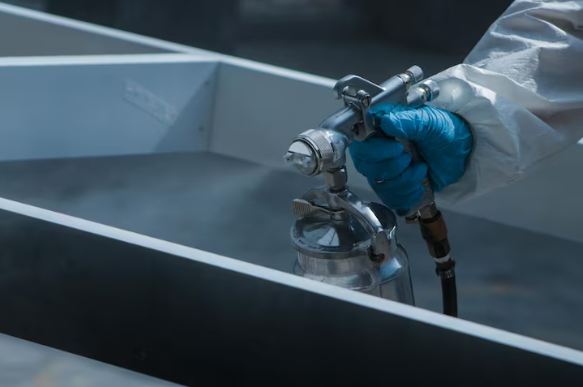
In the realm of industrial coatings, the stakes are incredibly high. Asset owners and contractors invest substantial resources to ensure the longevity and performance of protective coatings across various sectors. However, when these coatings fail prematurely, the consequences can be dire—leading to costly reapplications, operational downtime, and potential safety hazards. Understanding the core reasons behind coating failures, particularly in surface preparation, is vital for safeguarding investments. Missteps during this critical phase not only undermine the integrity of the coating but can result in rapid deterioration that manifests within mere months of application. As we delve into the most prevalent surface prep mistakes to avoid, it becomes clear that knowledge and diligence are the keys to successful coating applications.
Common Surface Preparation Mistakes That Lead to Coating Failures
Surface preparation serves as the backbone of any industrial coating system. Yet, it remains one of the most frequently overlooked steps in the application process. Below, we explore five common mistakes in surface preparation that can jeopardize the performance and lifespan of coatings.
Inadequate Surface Cleanliness
Failing to achieve the required level of cleanliness is a leading cause of premature coating failures. Manufacturers specify cleanliness standards, and this must be meticulously followed. Surface standards such as SSPC-SP 5 (White Metal Blast) mandate a completely clean substrate, devoid of any visible contaminants. If these standards are not met, the coating will bond to contaminants like rust or mill scale rather than the steel itself. This weak bond can lead to blistering and peeling, sometimes visible within the first season of use, especially in harsh environments.
Incorrect Anchor Profile
While cleanliness is paramount, achieving the correct anchor profile is equally important. The microscopic peaks and valleys created during abrasive blasting must meet specific requirements depending on the coating applied. For instance, a high-build epoxy might require a profile of 2.5 to 4 mils. Ignoring these specifications can significantly compromise adhesion and lead to premature failures.
Overlooking Surface Contamination
Invisible contaminants such as soluble salts often go unnoticed and can be detrimental to a coating’s integrity. Abrasive blasting may effectively remove rust and old coatings, but it typically does not eliminate soluble salts that attract moisture, leading to issues like blistering. Conducting conductivity tests prior to coating application is essential in identifying if contaminant levels are acceptable.
Neglecting Environmental Conditions
Coating applications should never take place in unfavorable weather. High humidity levels or temperatures below the manufacturer’s specifications can lead to adhesion failures. Moisture exposure during or after application is a common failure mode and must be carefully monitored using instruments like hygrometers.
Insufficient Training and Oversight
Finally, a lack of adequately trained personnel contributes to many coating failures. Without proper training in surface preparation and application techniques, even the best products can fail. By investing in continuous education and certification for applicators, organizations can significantly mitigate the risks associated with improper application practices.
| Common Mistakes | Potential Consequences | Preventive Measures |
|---|---|---|
| Inadequate Surface Cleanliness | Blistering, peeling | Follow SSPC standards rigorously |
| Incorrect Anchor Profile | Poor adhesion | Measure with appropriate tools |
| Surface Contamination | Moisture-related failures | Conduct conductivity tests |
| Neglecting Environmental Limits | Adhesion failures | Monitor weather conditions closely |
| Insufficient Training | Improper application | Invest in ongoing training |
By addressing these critical areas with diligence and expertise, contractors can enhance the overall effectiveness of industrial coatings, ensuring that they fulfill their purpose of providing long-lasting protection. Cultivating knowledge about these common pitfalls will lead to better resource allocation and, ultimately, significant cost savings in maintenance and rework.
Strategies for Enhancing Coating Performance
To further enhance the reliability of coating applications, various strategies can be employed. Engaging coating specialists early in the project lifecycle can guide the selection of appropriate materials based on environmental assessments. Additionally, implementing stringent surface preparation protocols increases adherence to international standards, reducing long-term costs.
Moreover, regular inspections and quality assurance checks throughout the application process can help catch issues before they escalate. Utilizing trained professionals ensures that every step, from preparation to application, is performed with precision and care.