When planning a home remodel, most homeowners focus on the big-ticket items, new cabinets, upgraded flooring, or high-end fixtures. But there’s a crucial component that sets the stage for everything else: the wall finish. Often underestimated, the quality of wallboard installation—commonly referred to as drywall, is what gives your interior that polished, professional look. Whether you’re aiming for a sleek modern aesthetic or a cozy traditional vibe, the foundation starts with seamless, well-executed wall surfaces.
Why Wall Quality Matters More Than You Think
It’s not just about hanging sheets on studs. A truly professional wall installation combines precision technique, proper materials, and skilled finishing. Smooth, blemish-free walls elevate your design, while shoddy work can result in unsightly seams, bumps, or even structural issues.
Beyond aesthetics, proper installation provides support for elements like shelving, cabinetry, and fixtures. Done correctly, it contributes to the stability and longevity of your remodeled space.
What Can Go Wrong with Poor Installation?
Mistakes in wall finishing can be costly and frustrating. Here are some common red flags:
-
Visible Seams and Unevenness: Poor joint work results in lines and textures that are hard to hide, even with paint or wallpaper.
-
Texture Inconsistencies: Uneven surfaces disrupt lighting flow and detract from the overall feel of a room.
-
Cracks and Gaps: Small flaws around seams or edges can grow into larger structural concerns if not addressed.
Not only do these imperfections affect your space’s look, but they can also compromise insulation, soundproofing, and long-term durability.
How to Spot High-Quality Wall Installation
If you’re unsure whether the work on your project meets professional standards, these are the key factors to evaluate:
1. Smooth, Even Surfaces
Run your hand across the wall. A high-quality finish will feel consistent, with no bumps or ridges. Flaws may not always be visible at first glance but will show over time, especially once paint or lighting is added.
2. Invisible Seams and Joints
The best finishing work makes it impossible to tell where one sheet ends and another begins. Expert taping and mudding are essential. If you see uneven patches, bubbling, or lines, that’s a sign of rushed or unskilled workmanship.
3. Properly Concealed Fasteners
No screw heads or nail impressions should be visible. These should be slightly recessed and fully covered with compound, then sanded smooth to disappear under paint or wallpaper.
4. Solid Structural Support
Knock gently on different sections. You should hear a firm, solid sound. Hollow spots can indicate poor fastening or gaps behind the surface, both of which affect long-term durability.
The Hidden Role of Lighting
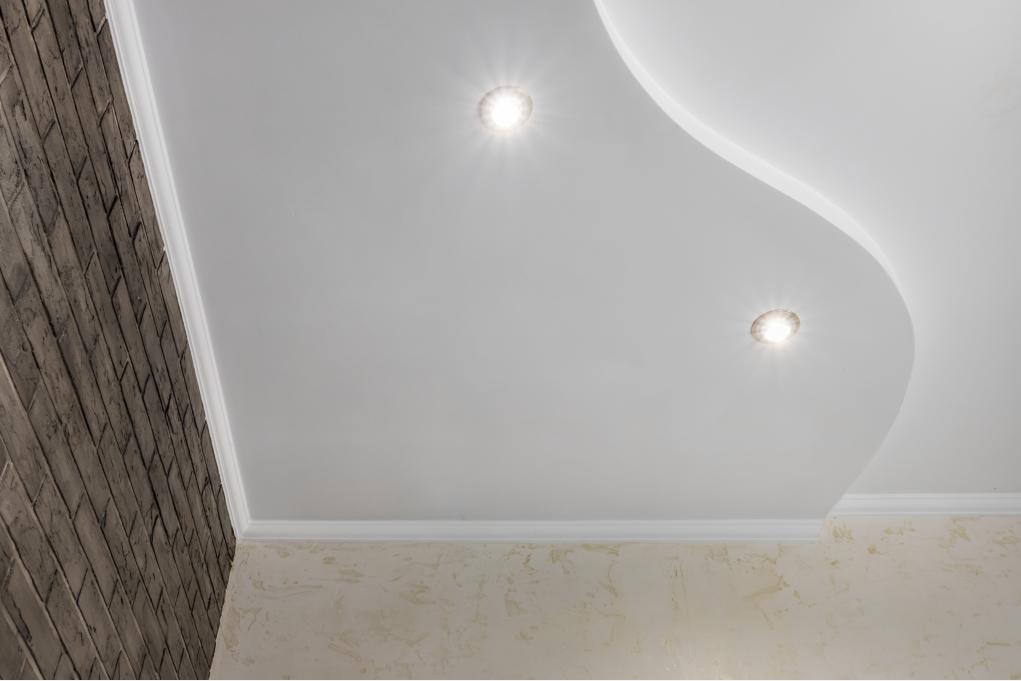
Lighting can make or break how your wall finish appears. Natural light, accent lighting, and overhead fixtures each reveal different imperfections. Check your walls under multiple conditions, what looks smooth in the morning sun may expose flaws in the evening.
Corners, Edges, and Final Touches
Crisp corners and clean lines are the hallmarks of expert craftsmanship. Any warping or rounding, unless part of the design, usually signals inexperience or lack of care. Similarly, minor cracks or gaps, especially in high-traffic areas, should be addressed before they worsen.
Long-Term Benefits of a Quality Finish
-
Paint & Wallpaper Adhesion: A well-prepped surface ensures your chosen finishes adhere properly and last longer without bubbling or peeling.
-
Lower Maintenance Costs: High-quality work now means fewer repairs later.
-
Better Soundproofing & Insulation: When properly installed, your wallboard contributes to a quieter, more energy-efficient home.
When to Call in the Pros
If you’re unsure about the quality of work, a professional inspection can offer peace of mind. Experienced contractors know how to identify potential problems early and can recommend whether refinishing or a complete redo is needed.
Ready to Take Your Remodel to the Next Level?
Investing in top-tier wall finishing is one of the smartest decisions you can make in any renovation. Whether you’re starting fresh or correcting a previous install, expert craftsmanship pays off in both looks and longevity.