Imagine it’s a bright Saturday morning, with the sun shining as you wander through rows of colorful stalls. The sweet aroma of street food fills the air, and you can feel the excitement of unearthing something unique. Among the treasures waiting to be discovered, you spot a vintage lamp that speaks volumes about the stories it has witnessed. This exhilarating journey through flea markets is more than just shopping; it’s an adventure of finding treasures that can transform your living space into a haven of personality and charm. With this guide, embark on an exploration of the captivating world of flea market finds, learning how to enhance your home decor while keeping your budget intact.
Understanding Flea Markets and Their Allure
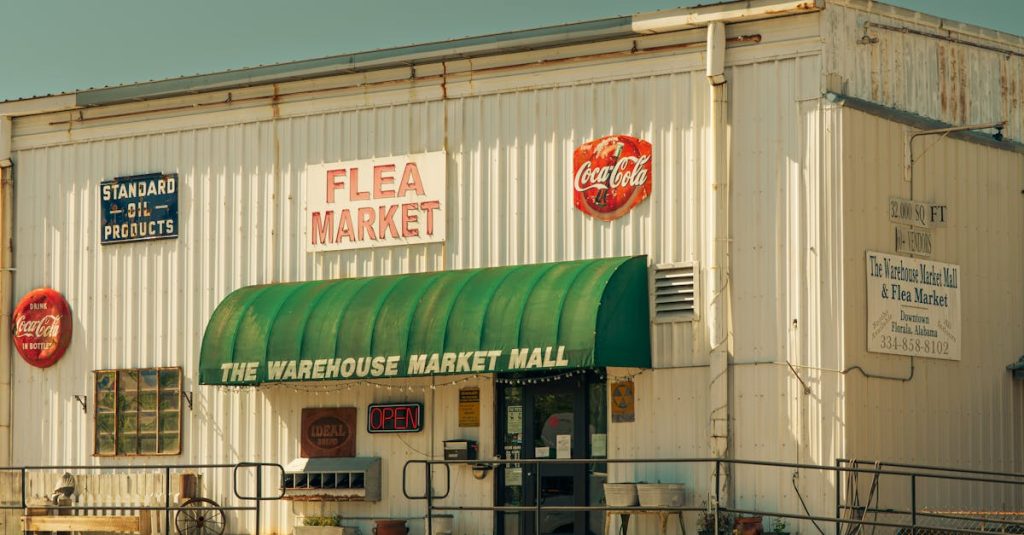
Flea markets are a treasure trove for those seeking unique collectibles and vintage items. Defined by their eclectic assortment, these markets host a variety of vendors, each offering a slice of history through their goods. From antiques that narrate stories of yesteryear to quirky decor items that add character to any space, flea markets present opportunities to find pieces that resonate with your style.
Why Are Flea Markets Special?
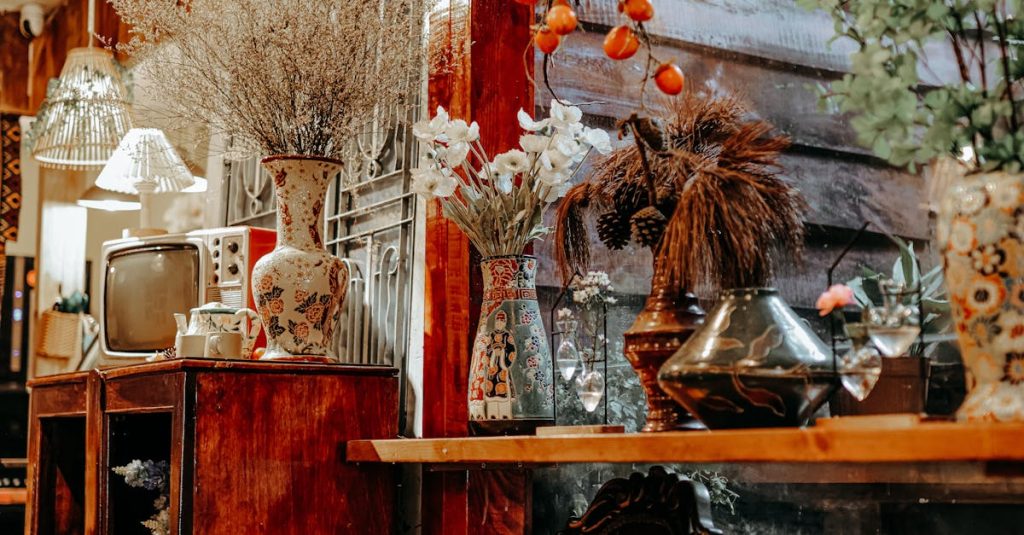
The real charm of flea markets lies in the *element of discovery*. You never know what you might encounter. These markets often feature items that are no longer produced, making them one-of-a-kind finds that carry a unique story. For example, an old ceramic vase from the 1960s could not only be a centerpiece in your living room but also a conversation starter. Moreover, these markets promote sustainable practices by giving a new life to items that might otherwise end up in landfills.
What to Expect at a Flea Market
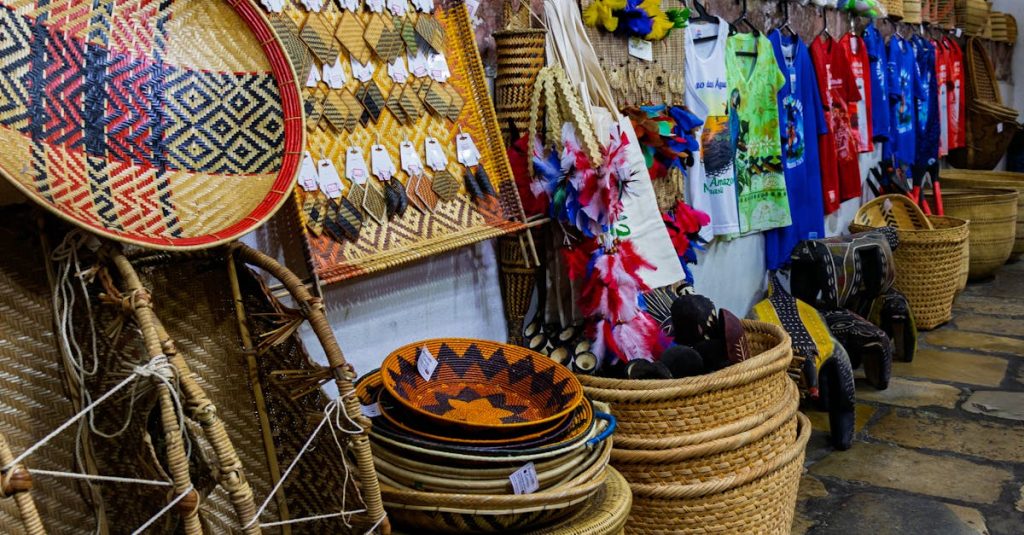
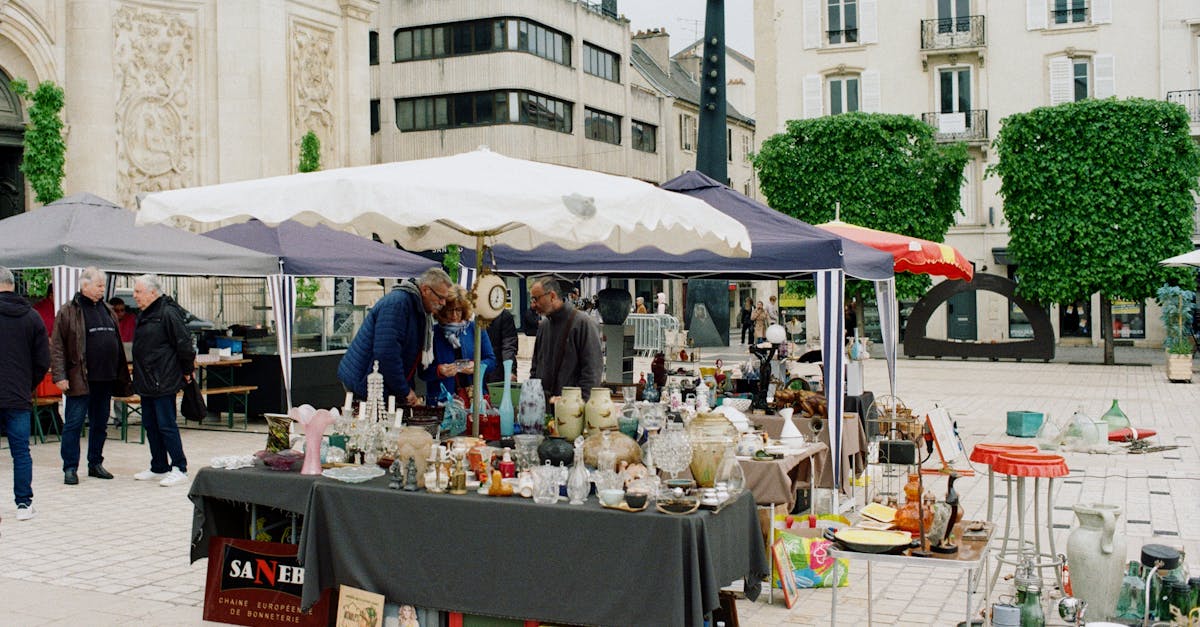
Attending a flea market is an experience in itself. Vendors often set up their stalls showcasing a wide array of goods, including furniture, decor, clothing, and collectibles. The atmosphere is lively, with music playing, people chatting, and the smell of delicious food wafting through the air. Each stall presents the opportunity to find treasures, whether it’s a vintage poster, an antique mirror, or a nostalgic toy.
To fully enjoy your visit, it’s beneficial to have a strategy in place. Set a budget to avoid overspending, and list out the types of items you’re hoping to find. Since *thrift shopping* often leads to unexpected results, remain open-minded and flexible. Embrace the adventure of bargaining, as many vendors expect some form of negotiation.
Identifying Valuable Flea Market Finds
Once you’re at the market, the real challenge is recognizing valuable items among the various offerings. It’s essential to develop a keen eye for quality and character when assessing potential purchases.
Signs of Quality in Items
Quality can sometimes be discerned through visible signs that speak to an item’s age and usage. When inspecting an item, consider the following:
- Materials: Antique items made from solid wood or sturdy metals often outlast their modern counterparts.
- Crafstmanship: Look for items that showcase unique craftsmanship, whether it be hand-carved details or intricate patterns.
- Condition: Small imperfections can add character, but extensive damage may require costly restoration. Always weigh the cost of repairs against the item’s value.
Types of Flea Market Treasures to Look For
Flea markets are renowned for a variety of treasures. Here’s a breakdown of popular categories:
| Category | Examples | Why Look For Them? |
|---|---|---|
| Furniture | Chairs, tables, sideboards | Adds functionality and style |
| Decor | Vases, artwork, mirrors | Enhances the aesthetic of your space |
| Textiles | Rugs, tablecloths, quilts | Adds comfort and history |
| Collectibles | Classic toys, stamps, coins | Perfect for hobbyists and can appreciate in value |
Keep an open mind, as sometimes the most unexpected items can be transformed into stunning decor through DIY projects.
Navigating the Flea Market Experience
Successfully navigating flea markets requires a bit of preparation to ensure you maximize your potential finds.
What to Bring For Your Expedition
Being well-prepared can significantly enhance your shopping experience. Here’s a brief list of essentials that will help:
- Cash: Many vendors prefer cash transactions, so be ready with small bills.
- Tote Bags: To carry your treasures, having sturdy bags or carts can save you the hassle of searching for alternatives.
- Measuring Tape: This is crucial when considering larger furniture pieces.
- Notebook: Keep track of items and their prices, making it easier to decide later.
Dressing for Comfort
Flea market exploration often involves extensive walking and potential exposure to the elements. It’s advisable to dress comfortably and wear sturdy shoes. Consider the weather: if it’s sunny, a hat and sunscreen can protect you.
Incorporating Your Treasures into Home Decor
Once you’ve found those perfect pieces at the flea market, the next step is integrating them into your home decor. It’s a creative opportunity to mix vintage finds with modern aesthetics.
Styling Tips for Flea Market Finds
Creating a cohesive look using flea market finds can enhance your living space’s charm and personality. Here are some styling tips:
- Mix and Match: Combining old and new items can create visual interest. For example, pair a vintage lamp with a modern coffee table.
- Create Focal Points: Utilize standout pieces as focal points in rooms. An antique mirror can beautifully reflect light and draw attention.
- Layer Textures: Incorporating multiple textures through textiles, such as throws and pillows, can enrich the aesthetic appeal.
By experimenting with different arrangements, you can find a unique style that reflects your personality and celebrates the history behind each piece.