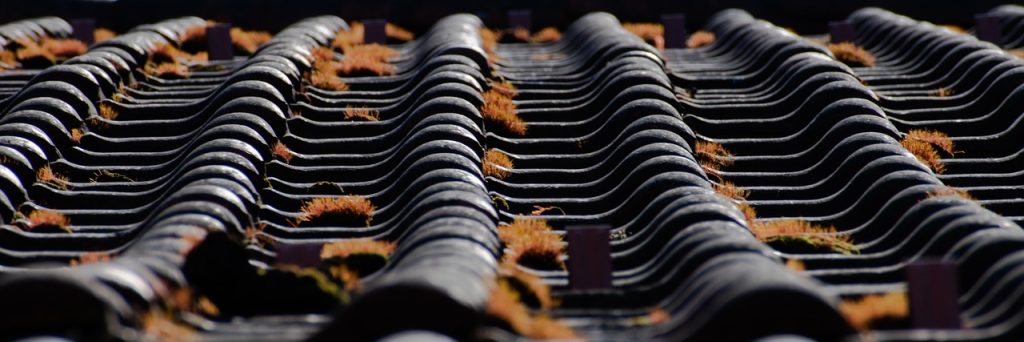
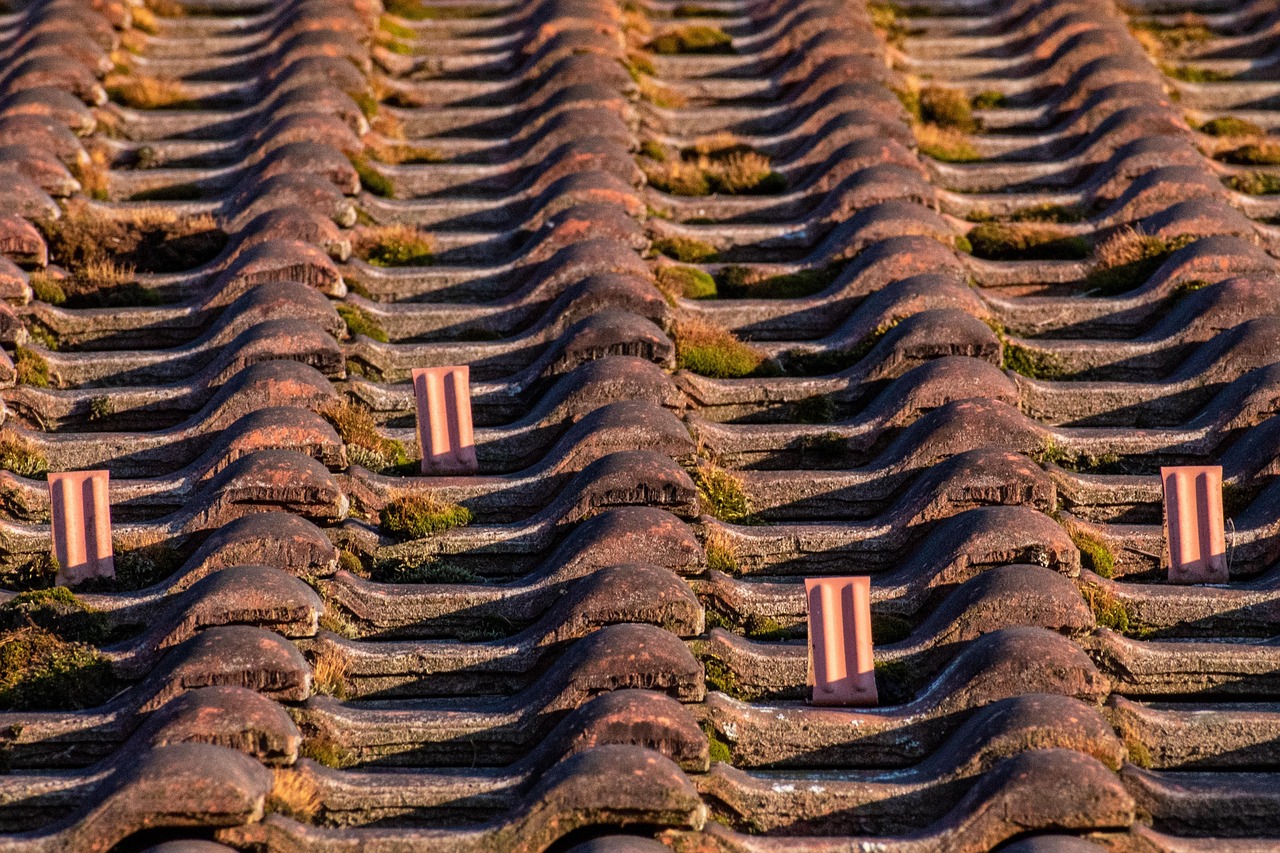
Are you struggling with a moss-covered roof? This common problem can lead to serious issues if left untreated, such as shingle deterioration and leaks. While the sight of moss may give your home a charming look, it can jeopardize your roof’s integrity and overall structure. In this guide, we’ll explore effective and safe methods for roof moss removal, highlighting DIY approaches while also weighing the benefits of hiring professionals. Let’s delve into the causes of moss growth, suitable cleaning tools, and eco-friendly solutions, so you can give your roof the care it deserves.
What Causes Moss Growth on Roofs?
Moss thrives in damp, shaded areas where moisture tends to linger. Factors leading to its development include:
- Shaded roof areas: Trees can block sunlight and impede drying.
- Excess moisture: Poor drainage systems and high humidity create an ideal environment for growth.
- Debris buildup: Leaves and dirt can trap moisture, fostering further growth.
- North-facing slopes: These sections receive less sunlight, making them more susceptible to moss.
Understanding these conditions is crucial, as they can help prevent moss from returning after treatment, thus maintaining the health of your roof.
5 DIY Roof Moss Removal Methods
Cleaning your roof safely is paramount to avoid damaging roofing materials. Here are five effective DIY methods you can employ:
1. Gentle Brushing
Using a soft-bristle brush helps in lightly removing moss. Always brush downward to avoid lifting shingles, and remember that this technique is best for light moss buildup.
2. Garden Hose Rinse
A standard garden hose is perfect for washing away loose debris. It’s a low-pressure method that minimizes the risk of damage—avoid using a pressure washer, as it can be harmful to shingles.
3. Moss Treatment Solutions
Specialized products are designed for roof moss treatment and regrowth prevention. Be sure to apply them evenly and follow the manufacturer’s instructions for optimal results.
4. DIY Vinegar Solution
A mixture of vinegar and water serves as a natural option for smaller areas. However, carefully rinse afterward to protect surrounding vegetation.
5. Zinc or Copper Strips
Installing copper or zinc strips along the roof ridge provides continuous protection from regrowth, as rain activates them to release particles that inhibit moss growth.
| Method | Advantages | Limitations |
|---|---|---|
| Gentle Brushing | Non-invasive and easy | Not effective for heavy buildup |
| Garden Hose Rinse | Safe and gentle clean-up | May not remove stubborn moss |
| Moss Treatment Solutions | Targeted for effective moss removal | Requires proper application |
| DIY Vinegar Solution | Eco-friendly and low-cost | Spot treatment; may affect nearby plants |
| Zinc or Copper Strips | Long-term prevention | Initial installation cost |
Safety Considerations for DIY Roof Cleaning
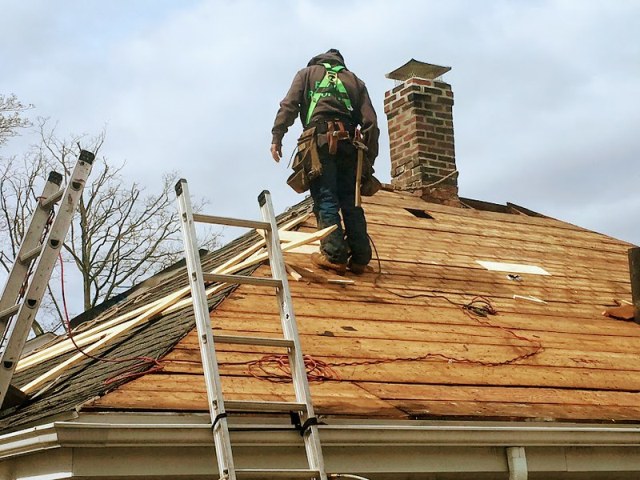
Safety should always be a priority when tackling roof maintenance. Follow these safety tips:
- Wear proper footwear: Ensure slip-resistant shoes to prevent falls.
- Work in dry conditions: Wet surfaces increase risks.
- Use a harness if needed: This is crucial for steep roofs.
- Avoid excessive walking: Minimize movement to reduce potential shingle damage.
If you ever doubt your safety while working on the roof, it’s best to consult a professional.
When to Call a Roofing Professional
If moss buildup is severe or if you notice signs of roof damage like lifted shingles, it’s time to contact a professional. They can safely clean your roof and inspect for any underlying issues that might lead to future complications. Here are some indicators that you may need expert assistance:
- Thick coverage: Hard to remove without risk of harm.
- Roof damage present: Signs of deterioration already visible.
- Recurring issues: Frequent moss returns may point to deeper issues.
- Complex roof design: Increased safety risks for the homeowner.
Tips for Preventing Moss Growth on Roofs
To keep moss at bay and ensure the longevity of your roof, consider the following preventive measures:
- Enhance sunlight exposure: Trim tree branches that block sunlight.
- Promote efficient drainage: Clean your gutters regularly to encourage proper water flow.
- Install zinc or copper strips: This is a proactive step to inhibit future moss growth.
- Conduct regular inspections: Check your roof at least semi-annually to catch issues early.
Embracing proper roof maintenance is essential for your home’s integrity and value. Remember, while DIY methods are effective for light to moderate moss issues, don’t hesitate to seek professional help for more severe situations. Your roof’s health is critically linked to your home’s overall protection.
To learn more about effective roof care and maintenance techniques, visit this resource for insights that can enhance your home repair projects.